

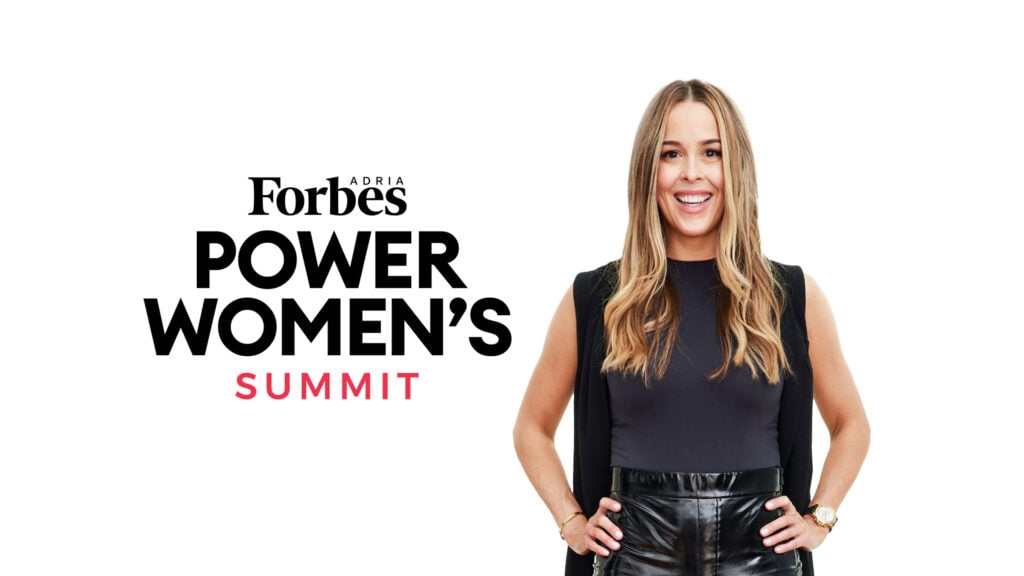
“Women must invest in other women,” said Kathleen Griffith in an interview for Forbes in 2018. She is an entrepreneur and founder of the platform for women entrepreneurs, Build Like A Woman. “I bet on women every day, not just because it’s the right thing to do, but because it’s good business.”
In 2014, Griffith founded the marketing and media consulting firm Grayce & Co, which helps some of the world’s biggest companies connect with their female customers. “The biggest problem companies face is when they don’t practice what they preach. Companies that tell women one thing in the market but lack diversity, representation, and equal treatment of women within the company, says Griffith, who invests in women-led startup companies.”
Four years later, she built the global platform for women entrepreneurs, Build Like a Woman, which features content from celebrities and successful businesswomen such as Jessica Alba and Eva Longoria.
How It All Began
Before starting her own consulting firm, Griffith spent years working in advertising, including at agencies like Saatchi & Saatchi and mygarrybowen. Her firm, Grayce & Co, collaborates with Fortune 500 companies, including Nike Women and Verizon. To date, she has managed over $500 million in marketing.
What was the driving force behind starting her company? Griffith explains: “I didn’t start my firm boldly, following a moment of inspiration. It started quietly, in darkness, out of sheer desperation. It was an attempt to free myself from the unjust obstacles and unfulfilled promises of the corporate world. An attempt to avoid burnout. It didn’t happen overnight. I couldn’t gather the emotional courage, secure financial stability, or physically break down to make that leap. But in the end, I left everything behind and walked away.”
It happened over pizza in New York when a friend looked at my tired, swollen, gray expression and said: ‘You look like a ghost.’ Instead of taking a taxi, I walked home for a long time, with the words of writer Tama Kieves, whom I had met at a workshop years earlier, echoing in my head: ‘If you’re so successful at something you don’t love, imagine how successful you would be at something you do love.’ Those words haunted me in the best possible way. They didn’t leave me until I listened to them.
Eventually, I snuck into my boss’s glass office with my head bowed in defeat (and respect) and resigned. That’s how Grayce & Co was born.”
The idea for her firm, a strategic agency, arose when she noticed an obvious market niche in the industry she was already working in. Only one percent of agencies were owned by women. At the time, no one was truly focusing solely on women-oriented strategies or providing precise, multidimensional representations. Instead, nearly every marketing campaign built on insecurity, lack, desire, and fear. “Only if you buy product X will you become a better (woman).” She knew that being a woman trying to serve other women could become her differentiating factor compared to men who were only accidentally trying to sell them something.
Plan for Women-Led Businesses
In 2018, Griffith launched the multimedia platform Build Like a Woman. The platform aims to build a community of ambitious women entrepreneurs and provide them with the tools to help them start or grow their businesses.
Among those tools is the Plan, or Blueprint—a guide to business success with lessons on the right mindset and essential business skills. As the founder says, education and the corporate world didn’t prepare her for the realities of startup life.
“The field of women’s entrepreneurship was full of messages like ‘You got this, girl,’ but there was a lack of details on how to actually build a company. That’s why I learned everything on my own: from developing a business plan to the right mindset and attitude for success in entrepreneurship,” says Griffith.
In July of this year, Griffith published a book titled Build Like a Woman: The Blueprint for Creating a Business and Life You Love.
What are, in her opinion, the main obstacles for women in starting businesses? Griffith says:
- 90 percent of women-owned businesses have no employees, meaning you often work alone and try to do everything yourself.
- Lack of access to capital: Research shows that 64 percent of new small businesses start with around $3,000 in seed capital. If you don’t have much capital, it’s hard to fuel growth.
- Fear of failure: Given the high failure rate in entrepreneurship (50 percent of businesses fail by the fifth year), it can be intimidating for women who are generally perfectionists and try to control outcomes.
How to Reach Women Consumers?

What are the three main tips Griffith would give companies on how to reach women as consumers?
First, general marketing doesn’t work, nor does using the idea of women’s empowerment. As many as 80 percent of women don’t trust brands, so you first need to focus on building trust. The good news is that women turn to companies willing to admit that the current way of working isn’t functioning and are trying to do something new, better, and different.
Next, you need to understand the target in a different way. Women are multidimensional and have a changing definition of themselves. They want to be supported and accepted in their complexity. They will reject any labels because they are not easily defined. Women don’t like being categorized, judged, or stereotyped, so you need to address them personally and make them feel seen. Companies will win when they listen to what women want and value, understand their paradoxes, and build brands that resemble them and are meant for them.
Third, your company must reflect the ethos of the women you want to reach. And that’s good business because brands that embody female traits like openness, empathy, experience, and emotion see revenues increase by four to ten percent.
Interviews with “Builders”
Build Like a Woman features a series of interviews with successful women entrepreneurs. Among the “builders,” as Griffith calls them, are, for example, Jessica Alba, who became famous as a Hollywood actress but is also the co-founder of a company that sells cosmetic and baby products, The Honest Company, founded in 2011. Another famous actress in the series is former ‘Desperate Housewife’ Eva Longoria, who co-founded her production company UnbeliEVAble Entertainment last year.
Other notable women include handbag designer Rebecca Minkoff, who runs the eponymous accessories brand, and Tamara Mellon, co-founder of the famous shoe brand Jimmy Choo, who launched her own brand in 2016.
What does she advise women who want to start their own businesses? “Bet on yourself. Put your dreams into a plan, take up as much space as possible, and BUILD. In both life and business, you can create something extraordinary. Imagine the immense collective impact if every woman on this planet saw herself as a builder? If she built a new future? What kind of world would we live in,” Griffith asks and adds, “Whatever your goals are, that’s where you’ll end up. So set yourself ambitious goals!”

