

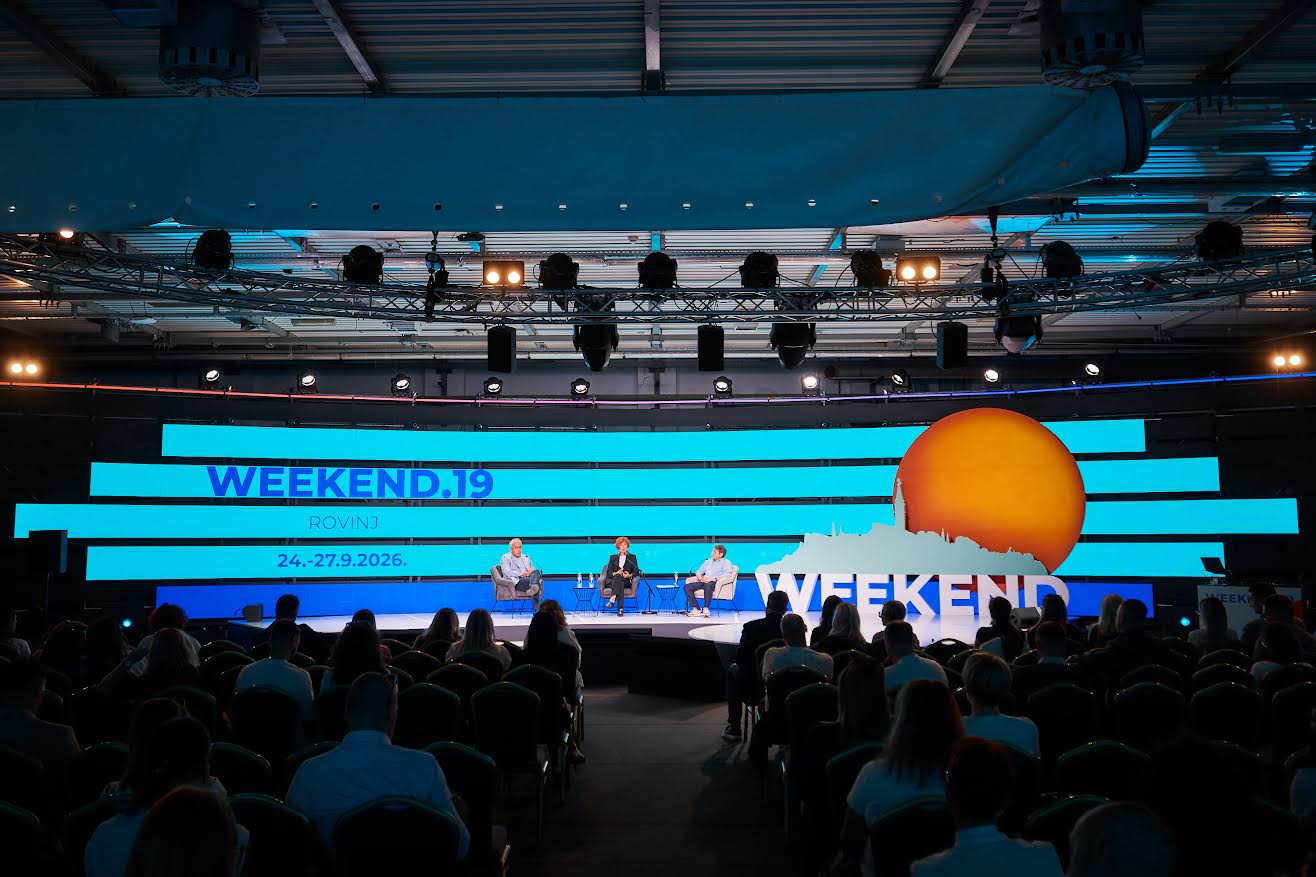
If the news increasingly causes anxiety or distrust, the challenge for newsrooms is not only how to attract audiences. It is also why those audiences would return. On the second day of Weekend.19 in Rovinj, a discussion about news avoidance connected readers’ habits with the way media outlets select and present stories.
According to Reuters Institute data presented at the panel “Nothing’s Going to Ruin My Day! – Why Do We Avoid the News?”, 63 percent of people in Croatia avoid the news. Marijana Grbeša Zenzerović of the Faculty of Political Science and Ivan Burić of the Faculty of Croatian Studies, joined by moderator Robert Tomljenović, discussed negative news, sensationalist headlines and the gap between what a headline promises and what the article delivers.
“The news deliberately looks for the negative in every story, even if it also has positive aspects. That is the key problem,” said Grbeša Zenzerović. According to her, audiences are increasingly able to recognize exaggeration, and this practice further weakens the credibility of the media.
Danish journalist Ulrik Haagerup, founder of the Constructive Institute, offered a different way of approaching problems. At the panel “It’s Not Just Bad News – It’s News!”, he stressed that constructive journalism does not mean making reality look better than it is: “Constructive journalism is not politics. It is not activism. You cannot be constructive unless you first have a well-documented problem.”
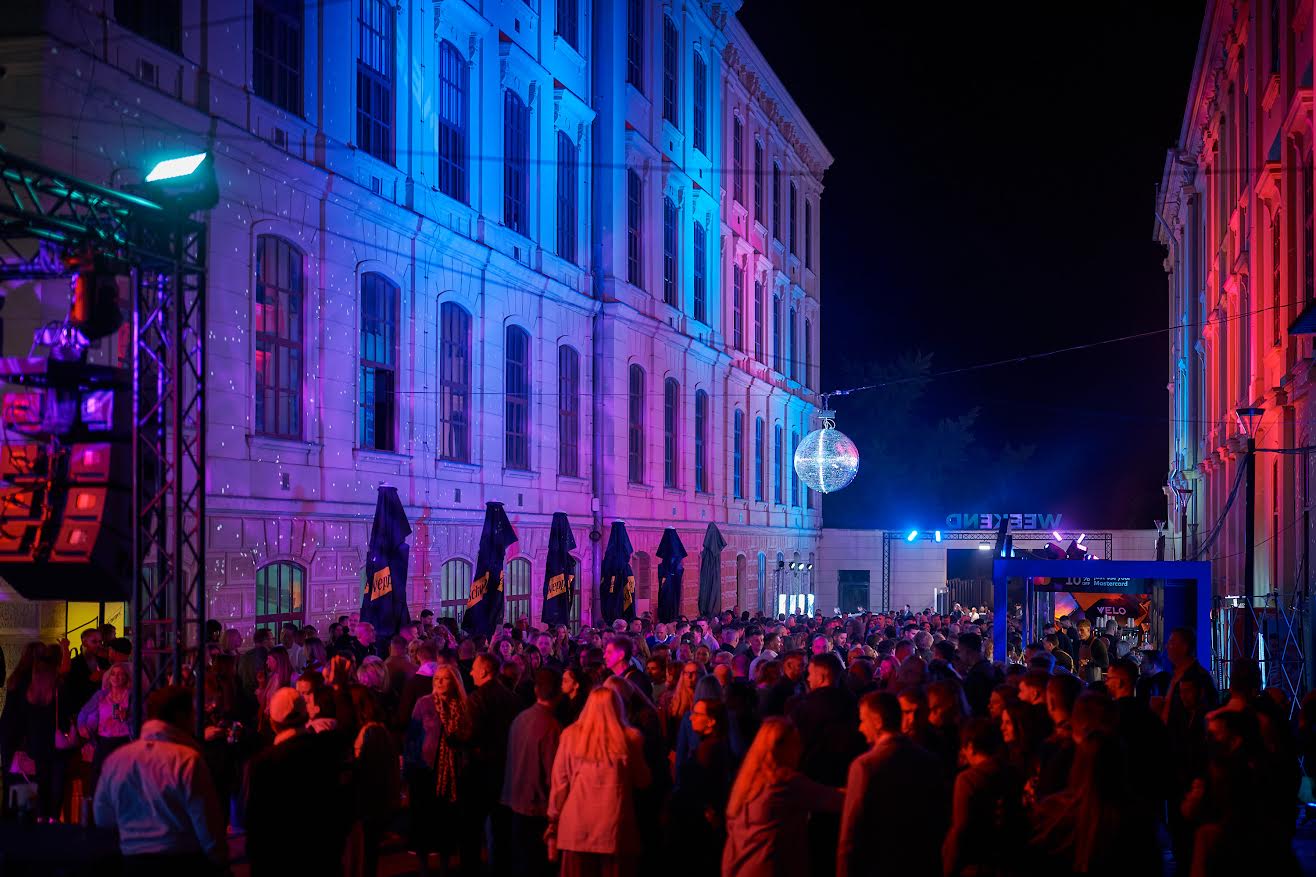
Following the inaugural Health.Weekend on Thursday, Friday brought the full festival programme to the Old Tobacco Factory Rovinj and the Grand Park Hotel. Topics ranged from media to finance, education, people management and the digitalization of public administration.
The new Kupola hall hosted the Finance.Weekend programme “WHAT DOES … ACTUALLY DO?”, devoted to the work of companies familiar to the audience, though what they do is rarely seen up close. Matko Maravić, CEO of InterCapital, spoke about investment banking as a profession that requires analysis, expertise and the ability to identify trends years in advance. Izabel Jelenić, co-founder and Chief Technology Officer of Infobip, explained how the company connects businesses with their customers through different communication channels, from SMS to RCS, and what role artificial intelligence plays in their development.
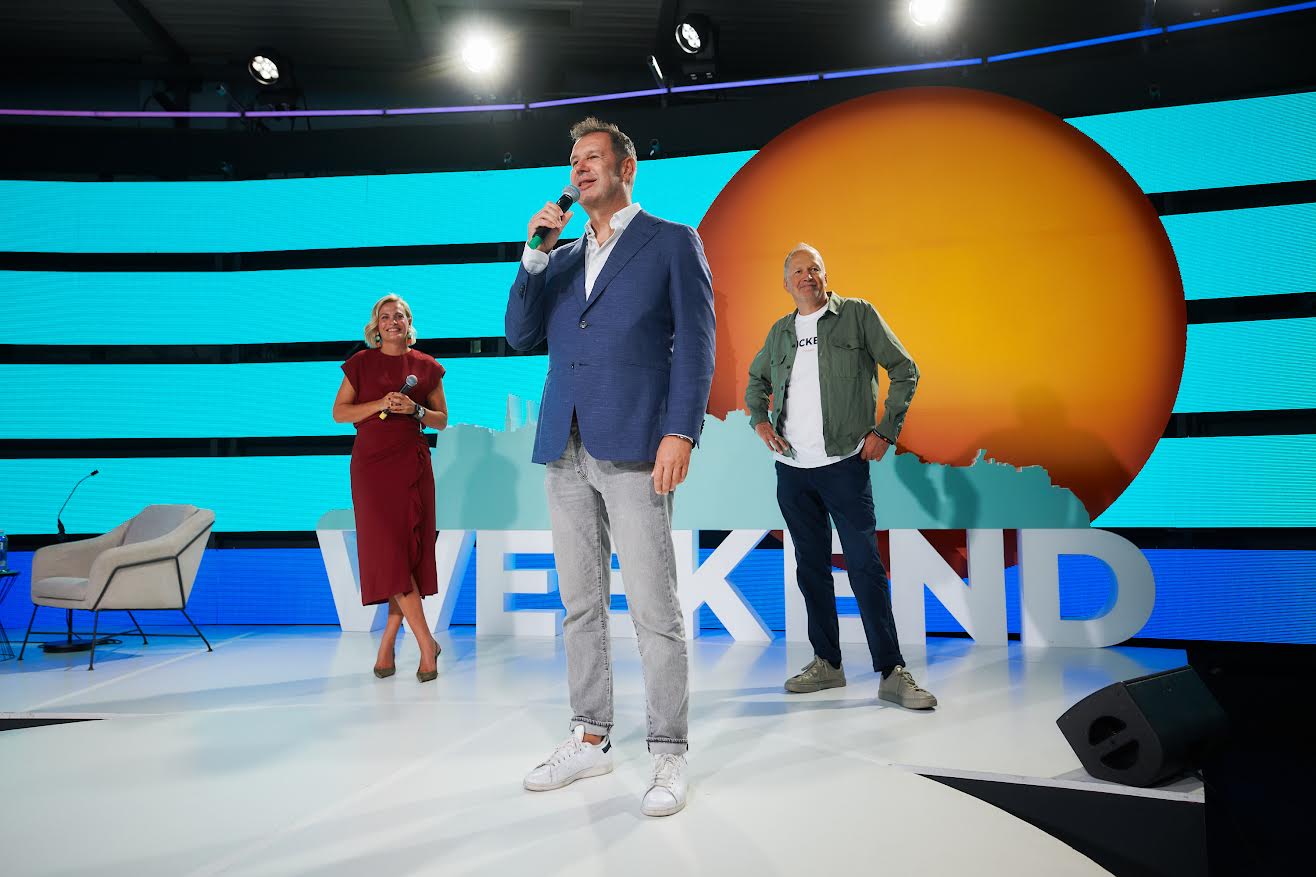
Skills that will remain important as technology becomes more widely available were also discussed in other festival programmes. At the first panel of Education.Weekend, Korado Korlević, in conversation with Božo Skoko, identified creativity, critical thinking and humanity as values in which education should invest. At HR.Weekend, Tomas Chamorro-Premuzic warned of the importance of independent judgment as work becomes increasingly automated. “If everyone has AI, and AI becomes like Wi-Fi, electricity or smartphones, the only competitive advantage will be culture,” he said.
At Tech.Weekend, Damir Habijan, Minister of Justice, Public Administration and Digital Transformation, spoke about the e-Citizens system, cybersecurity and the use of artificial intelligence in public administration. He also mentioned planned investments of 500 million euros in the economy and the need to connect existing infrastructure as a prerequisite for broader AI adoption.
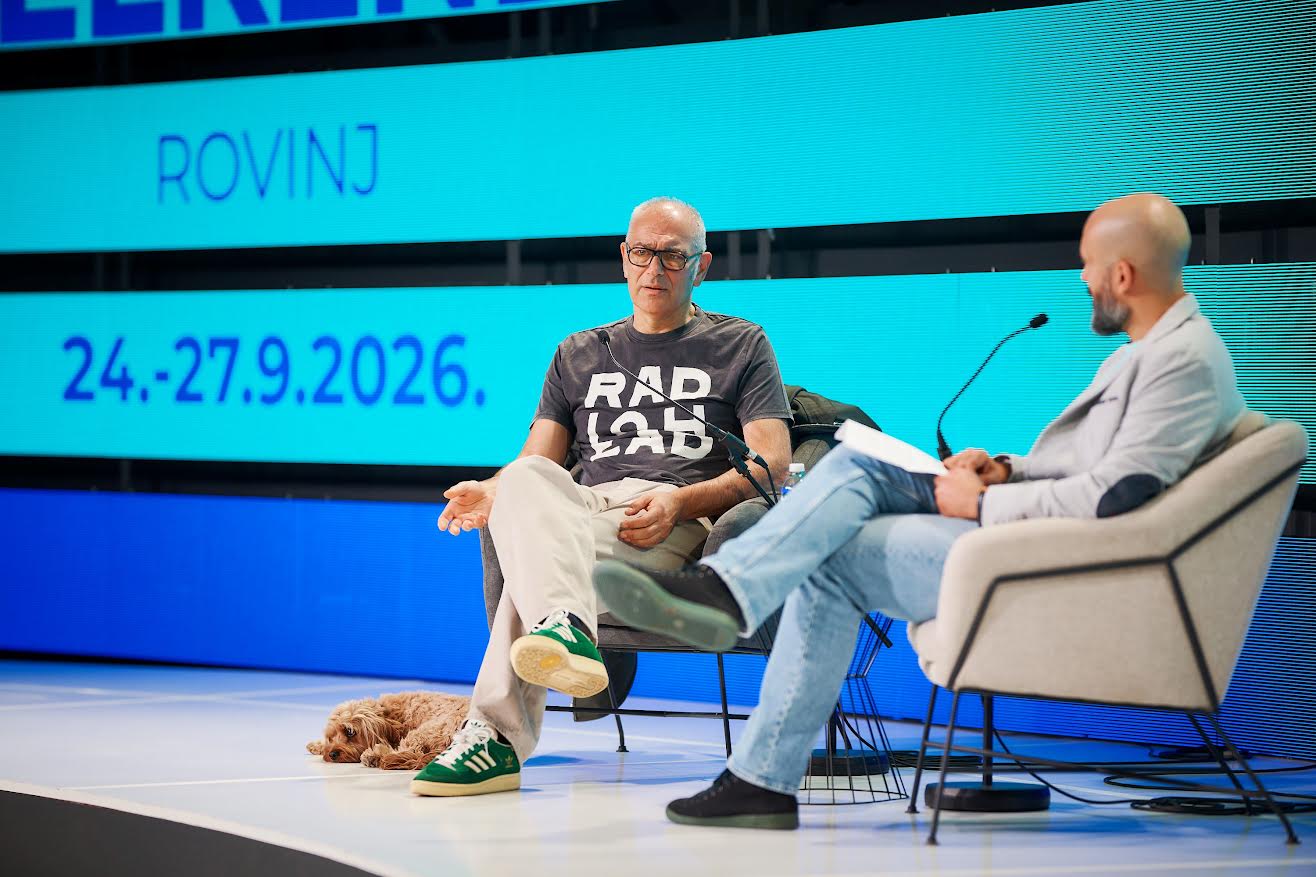
The business programme also took a more personal turn. Emil Tedeschi, President of the Management Board of Atlantic Grupa, spoke with radio host Daniel Bilić about his lifelong connection to music, working in a band and the questions of authorship raised by artificial intelligence.
The afternoon programme at Listening Room powered by Rotary Audio was devoted to vinyl and releases by Songkillers, Jinx and Cubismo. Friday evening’s programme includes the ID Polo Party powered by Zubak grupa with Filip Jelaš, followed by the Studio 54 Party and the ZIP Event party on the Open Air Stage with DJ Kyliann.

