

Source: Marketing Magazine
Red Bull is a brand that manages to achieve something that at first glance seems completely illogical. How is it possible for an energy drink to become part of nightlife, extreme sports, and space exploration? Why are young people so excited about free cans handed out by branded cars? And how can a drink, on top of everything, also become a media empire?
According to branding expert Martin Zarian, the answer lies in one of the smartest brand strategies of the modern era. Red Bull is not just an energy drink – it’s a movement, a lifestyle, and an experience.
Five lessons that launched Red Bull into the stratosphere (literally):
- Create a market instead of entering one
When Dietrich Mateschitz discovered a local truck driver tonic in Thailand in the 1980s, he didn’t just bring the product to Europe – he created an entirely new category: energy drinks. Instead of competing with sodas, Red Bull invented its own league, positioning itself as a premium product rather than a Coca-Cola alternative. He deliberately avoided traditional advertising and let culture build the story. Bans and skepticism only increased its appeal. It became “cool” precisely because it was different. Red Bull never sold energy – it sold adrenaline.

- The best fight is the one you avoid
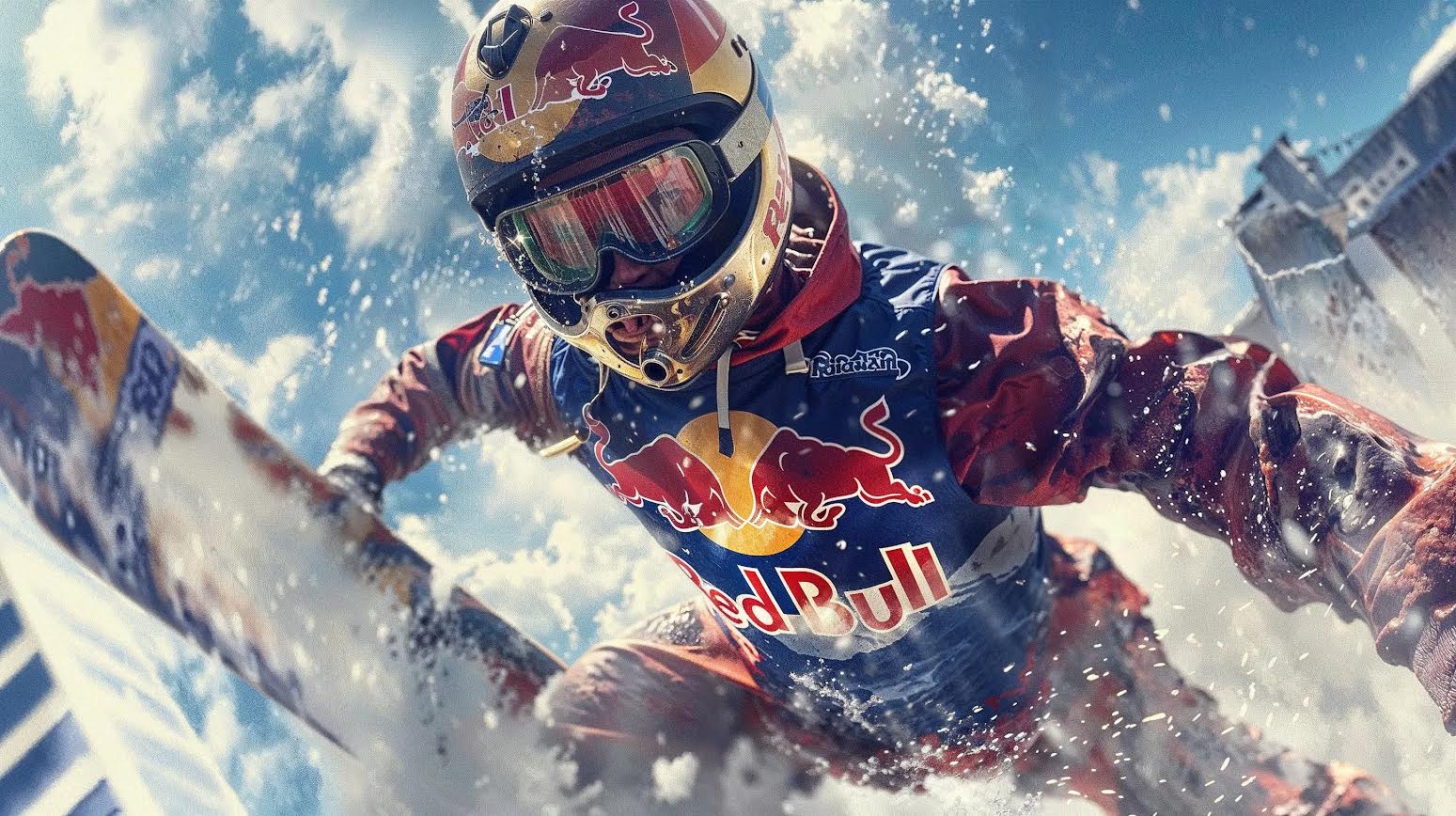
Instead of competing for attention among traditional sports sponsors, Red Bull turned to a completely different world – extreme sports. It didn’t just support them, it helped create them. It funded underground sports before they went mainstream. It discovered unknown athletes and turned them into icons. Red Bull wasn’t just a sponsor – it was an organizer, producer, and innovator. Events like Red Bull Rampage or Flugtag weren’t just competitions – they were spectacles. Let’s not forget the 2012 space jump by the recently deceased Felix Baumgartner, sponsored by Red Bull. - Owning both day and night
Who would have thought an energy drink would become an essential part of nightlife? Yet that’s exactly what happened. Vodka Red Bull became a global phenomenon – not by design, but by chance – and Red Bull knew how to capitalize on it. Their strategy was simple but effective: they sent free drink supplies to nightclubs, gifted branded refrigerators – and thus Red Bull became the invisible companion of parties. To reinforce this feeling, they organized the Red Bull Music Academy, cementing their role in the electronic music scene. Today, Red Bull is daytime motivation for adrenaline-fueled challenges and a nightlife partner in clubs.

- Don’t interrupt content. Be the content.
While most brands buy ad space, Red Bull created its own media world: Red Bull TV broadcasts sports and music events, The Red Bulletin magazine offers high-quality journalism about adventure, and their productions rival feature films and documentaries in quality. - You’re not selling a product. You’re selling an emotion.
Red Bull doesn’t just sell an energy drink – it sells the feeling of boldness, courage, and freedom. It doesn’t create campaigns – it creates experiences. It doesn’t target consumers – it creates culture.
Martin Zarian believes Red Bull didn’t win because it had the best taste or formula, but because it created a market, shaped culture, and let everyone else follow. It succeeded thanks to a bold, creative, and completely different brand strategy – one that doesn’t live in PowerPoint presentations but in the minds and hearts of people.
The branding expert advises companies to stop thinking like advertisers and start thinking like a movement. “Don’t ask what we’re selling. Ask what we believe in – and how that can become part of your people’s world,” he concludes in a LinkedIn post.

