

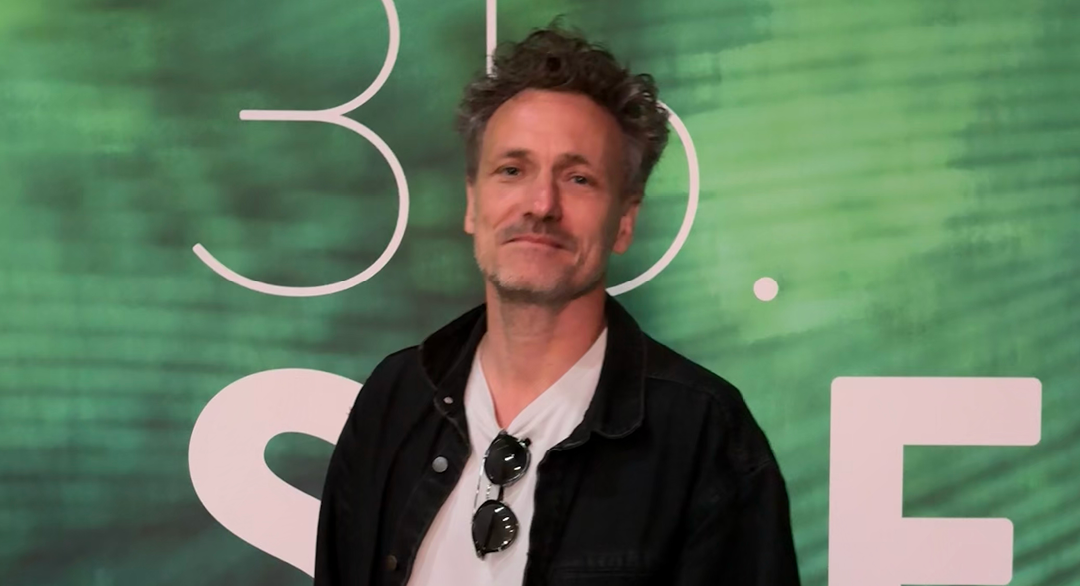
Thomas Kolster, known as “Mr. Goodvertising,” warned at SOF that marketing is still moving too slowly away from the traditional logic in which the brand is the main protagonist of communication. In his view, creativity today has the opportunity to move beyond advertising frameworks and actively contribute to positive societal change.
Thomas Kolster is widely regarded as one of the leading global experts at the intersection of marketing, business, and sustainability. As the founder of the Goodvertising Agency, he advises Fortune 500 companies, startups, NGOs, and governments on creativity, sustainability, and social impact. He is convinced that what matters most is what works in practice – everything else is secondary.
In his talk, Kolster emphasized that the key topics in communication are those that carry genuine and immediate relevance for people: “It is not essential for the brand to be at the center or the main character of the story – that role belongs to people, the audience.”
He placed particular emphasis on the role of emotions in communication, which he believes are still insufficiently leveraged strategically. Challenges such as sustainability, social responsibility, and the need for change represent a strong emotional potential that brands too often fail to activate. He therefore called for a more courageous, direct, and responsible creative approach.
Kolster also highlighted shifting consumer expectations. According to him, 65% of people prefer brands with a clear purpose and values. The most successful are those that have already demonstrated a tangible positive impact on people’s lives. Among examples, he highlighted Lego, Jägermeister, Nike, and Adidas.
He also addressed the broader societal context, pointing out that children today spend less time outdoors than prisoners—a statistic he used to illustrate changes in lifestyle patterns and their impact on the future. “In this sense, we cannot operate as we once did. What matters is understanding the bigger picture and the kind of future we are shaping for the next generations.”

