

The event was held at The Great Hill in Bucharest’s Cotroceni district and gathered representatives of the marketing and creative industries, CMOs, authors, diplomats, researchers and participants of the TheAlternativeSchool Creative MBA programme. Instead of a classic beauty or lifestyle panel, the organisers built the programme through different disciplines and experiences, from chemistry and photography to cultural diplomacy and the study of perception.
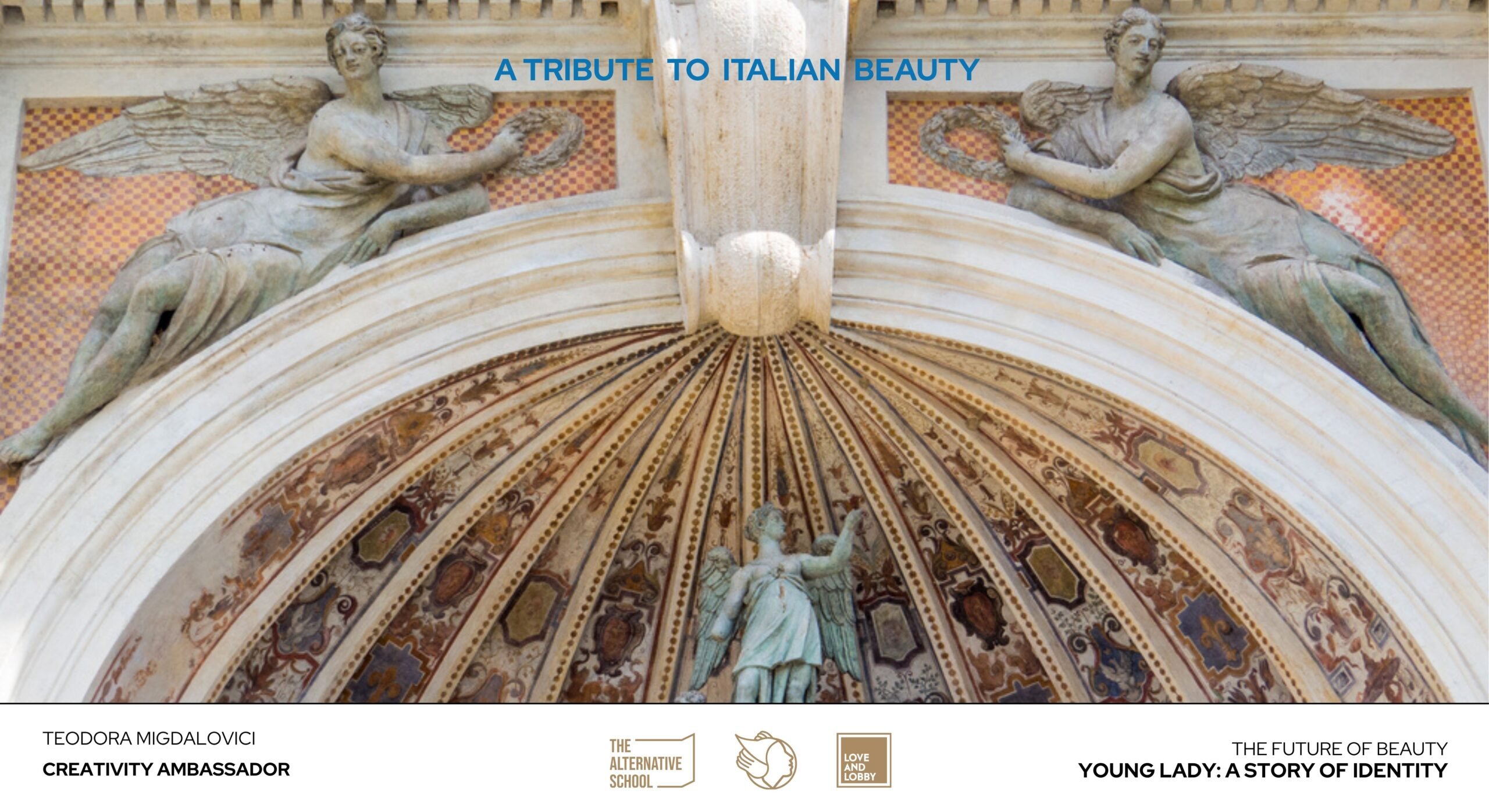
The evening opened with a tribute to Italian aesthetics inspired by the brand Peroni, the event’s partner, through the presentation of case study examples ranging from Lavazza to Bottega Veneta. The visual identity of the space was additionally shaped by the works of artist Dumitru Macovei and scenographic interventions by Ukrainian artist Kata Rudakova.
According to Gabriela Crețu, the way Peroni transforms Italian style into a social gesture and visual culture was precisely one of the reasons why the brand joined the project.
One of the central speakers was Alex Duarte, a researcher and professor who spoke about beauty as structure and a cultural system rather than merely a final visual layer. Through references to design, architecture, destination branding and art, Duarte explored the way different countries and cultures develop their own codes of beauty perception, particularly emphasising the Portuguese approach to imperfection as an element of authenticity.
The audience’s attention was also drawn to the presentation by Cristina Scomoroscenco, chemist and co-founder of the skincare brand Chanand. Speaking about her personal experience with acne and the development of products based on real user problems, Scomoroscenco raised the question of how much the beauty industry today truly succeeds in offering concrete solutions behind marketing promises.
The brand Chanand is today present on European premium platforms and in clinics, while additional attention comes from the fact that it operates in accordance with the California Proposition 65 standard, one of the world’s strictest regulatory frameworks regarding ingredients and product safety.
Photographer Adi Bulboacă spoke about the relationship between extreme experiences, endurance and the need to document places and situations that very few people have access to. Through stories about ultramarathons in Arctic conditions and work on documentary projects, Bulboacă described how the search for almost inaccessible scenes redefined his relationship with photography and creative identity.
The final part of the programme belonged to Teodora Migdalovici, who through an overview of her own projects spoke about the connection between creativity, identity and the international perception of Romania. Particular focus was placed on the platform Ladies First and the initiative Young Lady, projects that aim to promote a new generation of young Romanian professional women through mentoring, personal branding and international visibility.
Migdalovici also raised the issue of stereotypes still associated with the perception of Romanian women in international contexts, emphasising the need for different narratives based on talent, knowledge and professional results.
Instead of a classic conference format focused on trends and short-term industry insights, “TheFutureOfBeauty” attempted to transform the subject of beauty into a much broader conversation about culture, identity, perception and creativity as a tool of social and professional transformation.

