

The growing interchangeability of products, services, and communication formats is reshaping the core dynamics of market competition. In an environment where functional differences are quickly erased, creativity stops being a matter of expression and becomes a matter of business performance. It is from this perspective that the new edition of SOZ Academy, an educational program by The Slovenian Advertising Chamber (SOZ), approaches its theme, as it will on May 21 open a question the industry often oversimplifies: is creativity a universal solution or a selective strategy.
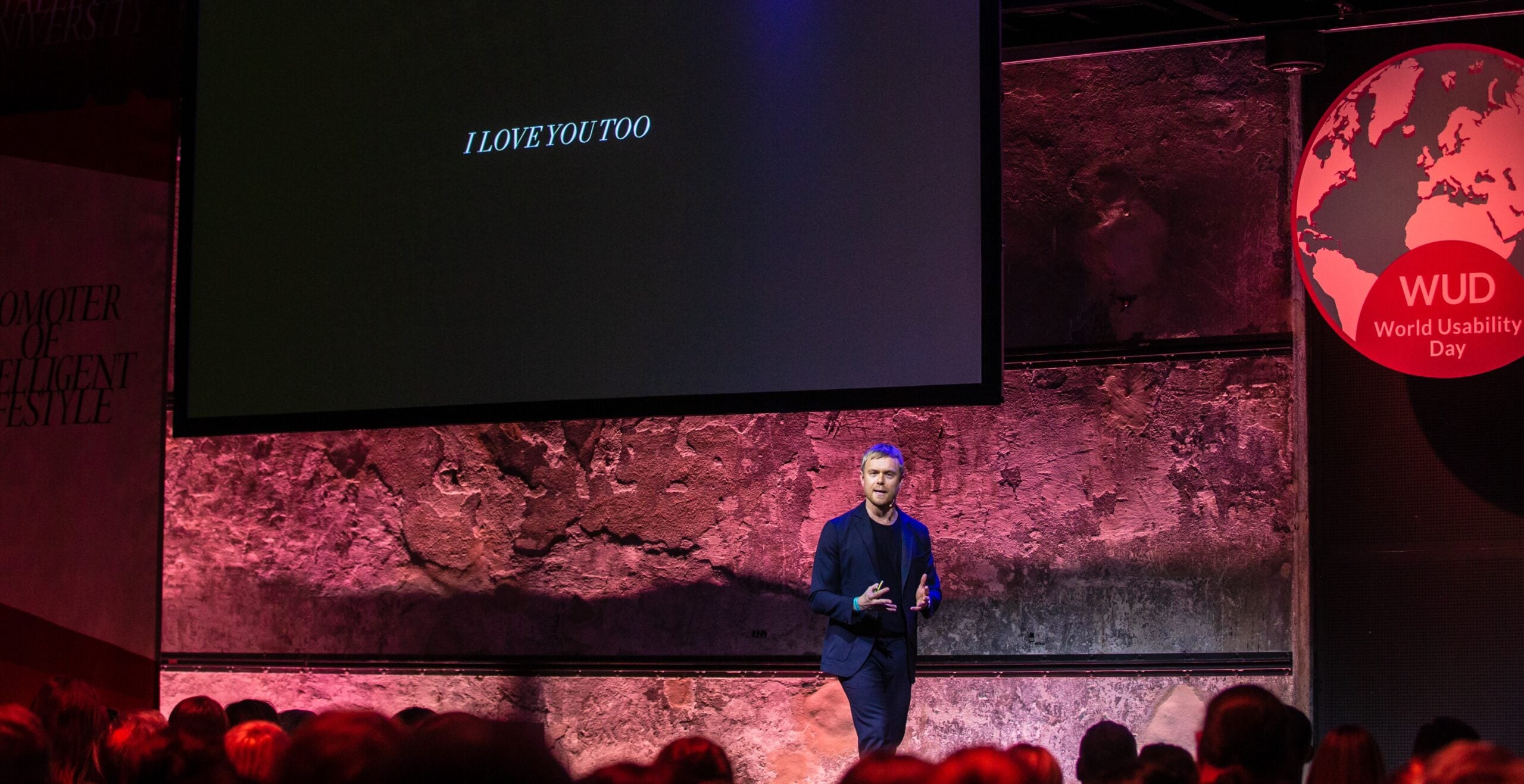
The lecture is led by Timo Kiuru, a global creative director and one of the few authors who does not view creativity through the lens of inspiration, but through cognitive processes and business outcomes. The focus of his talk will not be on how to create a “good idea,” but on why certain ideas deliver disproportionately higher market impact.
Kiuru introduces an approach grounded in neuroscientific insights into how people process information, make decisions, and remember brands. Within this framework, creativity is not treated as a universal tool, but as a strategic choice that does not fit every business model. This opens a more uncomfortable question for the industry: if creativity demonstrably delivers stronger results, why do organizations still fail to use it systematically.
The career path of Timo Kiuru further reinforces the credibility of this perspective. From television production and breakdancing to leading global product launches for Samsung in South Korea, his work spans different cultural and business contexts. As co-founder of the agency Liwlig, positioned in the field of brand experience, Kiuru now operates globally, emphasizing the value of external perspective in developing brand strategies.
SOZ Academy, held in an online format via Zoom webinar, is intended for SOZ members and focuses on topics that directly impact operational and strategic decisions in the industry. In this case, it means shifting the conversation from the question of “how to be creative” to “when creativity actually makes sense.”

