

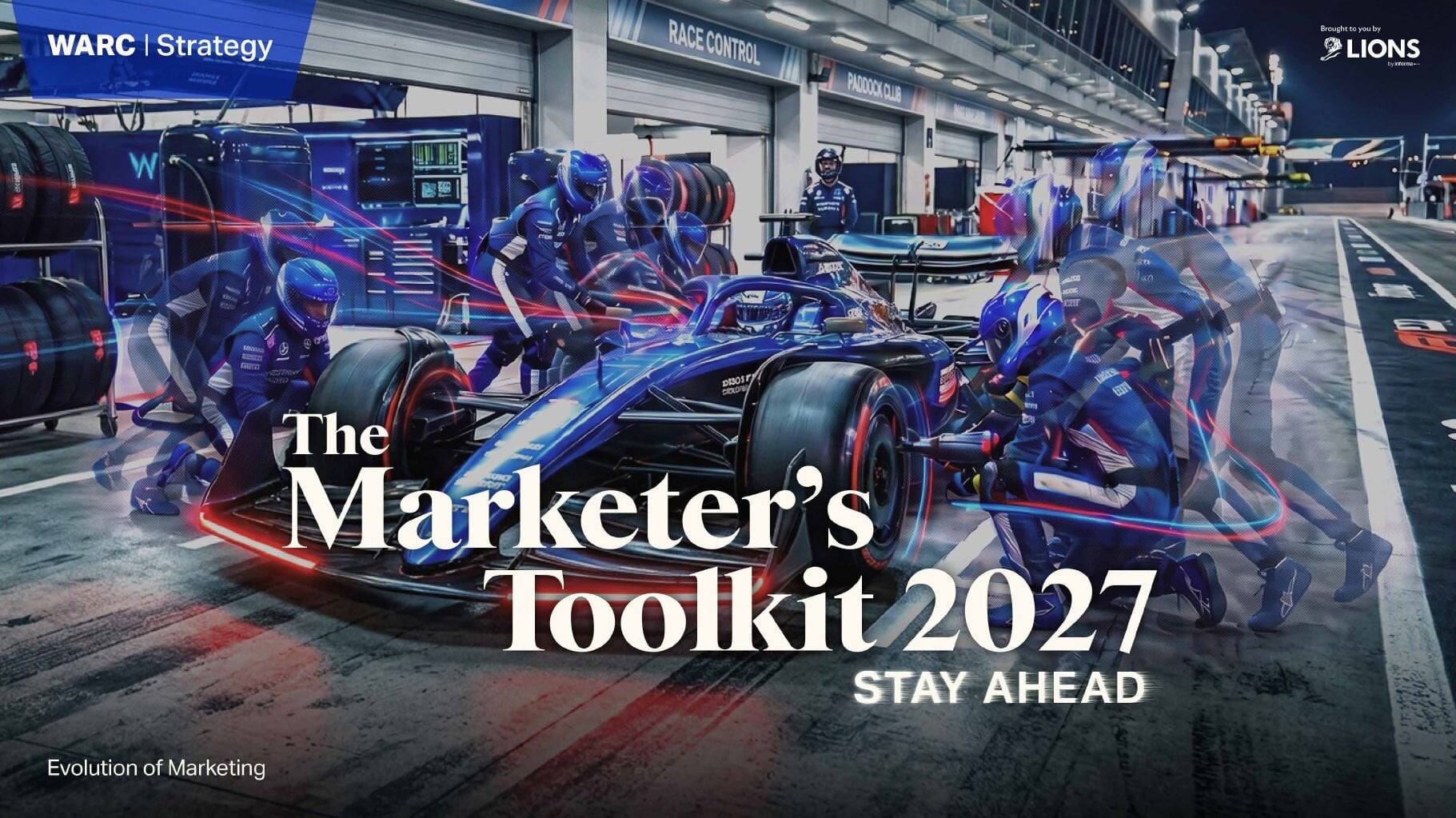
As many as 43% of advertisers believe that social media advertising is becoming less effective, while 58% feel that established buying practices are so entrenched that platforms are difficult to leave out of media plans, even when their traffic declines. This gap between perceptions of effectiveness and investment decisions is one of the findings of The Marketer’s Toolkit 2027, which WARC presented earlier this week.
The report comes at a time when marketers’ optimism is declining for the third consecutive year. Some 46% of respondents expect business conditions to improve in 2027, almost 20 percentage points fewer than three years ago. Nevertheless, fewer anticipate budget cuts, while WARC Media forecasts global advertising expenditure to grow by 8.4% next year, reaching $1.46 trillion.
Larger budgets are meanwhile flowing to platforms whose role is changing. Under the term post-social era, the report describes social networks where connections between users are giving way to algorithmically selected content tailored to individual interests. For brands, this means rethinking how campaigns are planned, bought and measured. WARC recommends regularly refreshing creative and developing different approaches based on audience needs and reasons to buy.
Connected to this change is the clip economy, or the growing role of clips distributed by creators, fans and algorithms. Some 83% of marketers recognise their popularity among consumers, but 40% doubt that they can make the same contribution to brand building as television, film or events.
The recommendation is to make distribution part of the creative brief from the outset and involve creators in strategic decisions. Individual clips can be planned as connected series, with each contributing to a recognisable brand story. This links the question of content volume to its purpose: what each new video adds to what audiences already know and remember.
While algorithms are changing the content people see, AI agents are beginning to change how they research what is on offer. Within the next three years, 69% of respondents expect consumers to use agents for product research, while only 8% anticipate that they will delegate purchases entirely to them. WARC therefore discusses the need to build brands with both people and the AI systems helping them choose in mind. The pace of this change will depend on the category, which is why the report recommends assessing individual markets and improving collaboration between internal teams.
Another aspect of AI use concerns advertising production. The ability to create large volumes of personalised creative is accompanied by consumer mistrust of the technology, while marketers themselves are divided over its contribution to effectiveness. The report emphasises transparency, understanding the acceptance of AI content in individual categories, and retaining human judgement and idea development in the creative process.
Among the five identified trends is a change that directly affects seasonal planning. Rising summer temperatures influence when, where and how people spend, yet only a quarter of marketers have taken steps to adapt. Some 45% have not seriously considered the possible consequences for their own category.
For marketing, this raises questions about campaign timing, shifts in demand and the reliability of the sales patterns on which annual plans are based. WARC recommends monitoring the impact of extreme weather on search, sales, prices and supply chains, alongside greater flexibility in planning and an assessment of demand for products and services that help consumers adapt.
The sixteenth edition of Marketer’s Toolkit is based on a global survey of around 1,000 marketing executives conducted in September and October 2026, individual interviews and analysis by WARC’s expert team.

