


Garnier has launched a new campaign for its Fructis Curl Construct Creation Mousse, turning a simple play on words between “mousse” and “moose” into a multi-day internet event that functioned simultaneously as entertainment, a social experiment and a product promotion.
The central face of the campaign is TJ Palma, a contestant from the reality show Love Island and a content creator known for his curly hair care routine. In the fictional narrative of the campaign, Palma takes on the role of Garnier’s new social media consultant who misunderstands the assignment and, instead of creating a campaign for mousse, develops a campaign dedicated to a moose.
The idea was first introduced without any explanation. Garnier began posting images of a moose on Instagram, while posters appeared across the streets of New York asking passers-by whether they had seen a missing moose. A few days later, Palma appeared in a moose costume on the streets of Manhattan, while the brand organised guerrilla activations and product sampling for consumers.
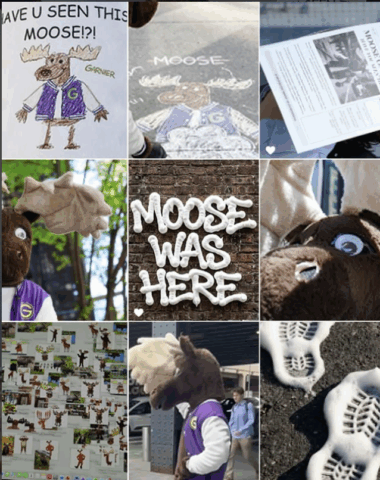
The campaign’s central video is styled as an episode of The Office. In it, Garnier employees try to understand why the brand’s social media channels have been flooded with moose-related content, only to discover that Palma misunderstood the word mousse. The final part of the video shifts the focus back to the product through a demonstration of its everyday use.
Although at first glance it may seem like just another internet sketch, the campaign actually reflects a broader trend in which brands attempt to capture audience attention through mystery, humor and cultural references rather than direct advertising. In recent years, numerous brands have adopted a similar approach, deliberately creating confusion or building narratives that resemble entertainment content in order to involve audiences in a conversation before revealing what they are actually promoting.
For Garnier, this campaign is part of a broader transformation of its marketing strategy. The brand is increasingly building its communication around internet culture, reality television, fandom communities and social conversations, aiming to connect with the generation it internally refers to as “Gen Zennials” – the audience positioned between Generation Z and millennials.
The approach is already delivering results. Within 24 hours of the campaign launch, Garnier’s mousse moved from tenth to seventh place on Amazon’s ranking of best-selling styling products, and a few days later climbed into the top six products in the category.
The campaign also reflects a broader shift within the beauty industry. Rather than relying on traditional celebrity ambassadors and conventional advertising formats, an increasing number of brands are attempting to transform products into content that operates according to the rules of the internet. In this model, attention is not driven by the product itself, but by the story, joke or cultural moment that surrounds it.

