

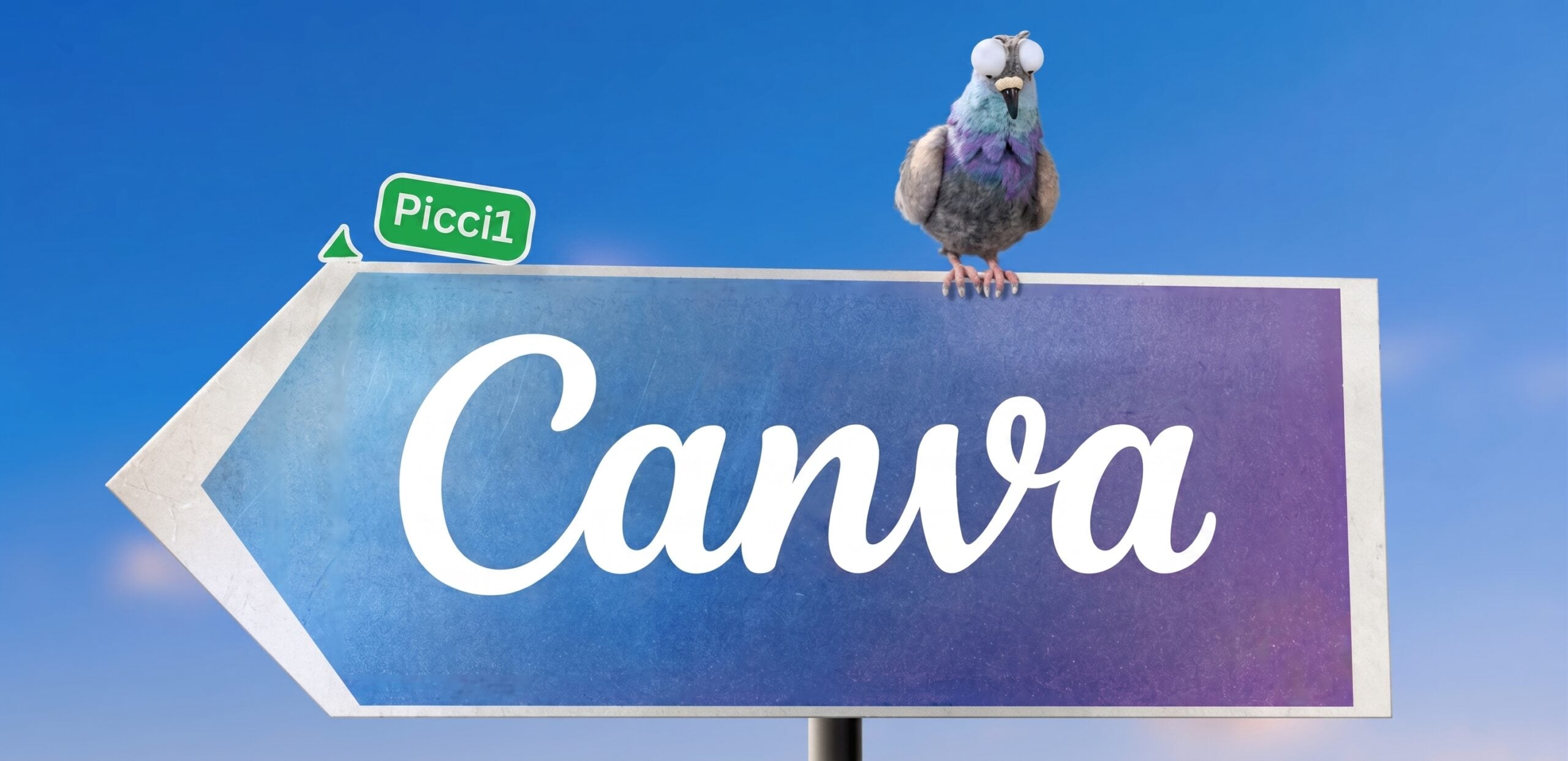
The pigeon who helped an Italian trattoria change its visual identity has been given a new task. Canva and DUDE Milan continue the Wild Design platform with the campaign’s second chapter, once again using Picci1 as the main character through whom they show how broadly design can be applied in everyday life.
The first Wild Design focused on a small business. While the rest of his flock fought over scraps of food, the more tech-savvy Picci1 noticed a trattoria that was struggling to attract customers because of its outdated visual identity. Using Canva, he redesigned the restaurant’s look, after which the empty trattoria turned into a busy venue, while the increase in customers also meant more breadcrumbs for the pigeons.
The story served as a simple way to show how design tools can be accessible even to people without professional experience. In Wild Design – Chapter II, the same idea moves beyond the business context and into personal creativity and everyday problems.
The new campaign therefore highlights different ways Canva can be used beyond professional branding, from creating social media content and flyers to editing videos and printed materials. Picci1 remains the link between the two chapters and the character through whom the platform continues to build on the idea that good design does not have to begin with professional design expertise.
An important part of Wild Design’s identity also remains the way the campaign was produced. The first film was created as a traditional stop-motion animation in collaboration with production studio A+C Studios. The shoot lasted seven days at its Postgate Stage studio in Margate and was directed by Dan Richards.
For the miniature world, 14 human characters and four bespoke pigeons were created, along with a large number of miniature breadcrumbs that became part of the story itself. The choice of handcrafted animation was directly connected to the campaign’s message, with the production approach intended to reflect the amount of care and work that goes into design.
With its second chapter, Wild Design becomes a multi-channel campaign and expands the story Canva began with small businesses. Instead of another demonstration of the same business problem, Picci1 now becomes a way for the brand to show how the same tools can be applied to much more ordinary creative tasks.

