

As technology platforms and artificial intelligence become more aggressively embedded in everyday life, European consumers are trying to find balance away from screens this summer. New research by Mastercard shows growing interest in experiences that do not depend on algorithms, notifications and constant digital presence, but instead on real human contact, shared activities and time spent offline.
The Experience Economy research, conducted among more than 27,000 respondents across Europe ahead of the summer season, points to increasing fatigue with the digital environment and a growing demand for experiences that feel more authentic, slower and more personal.
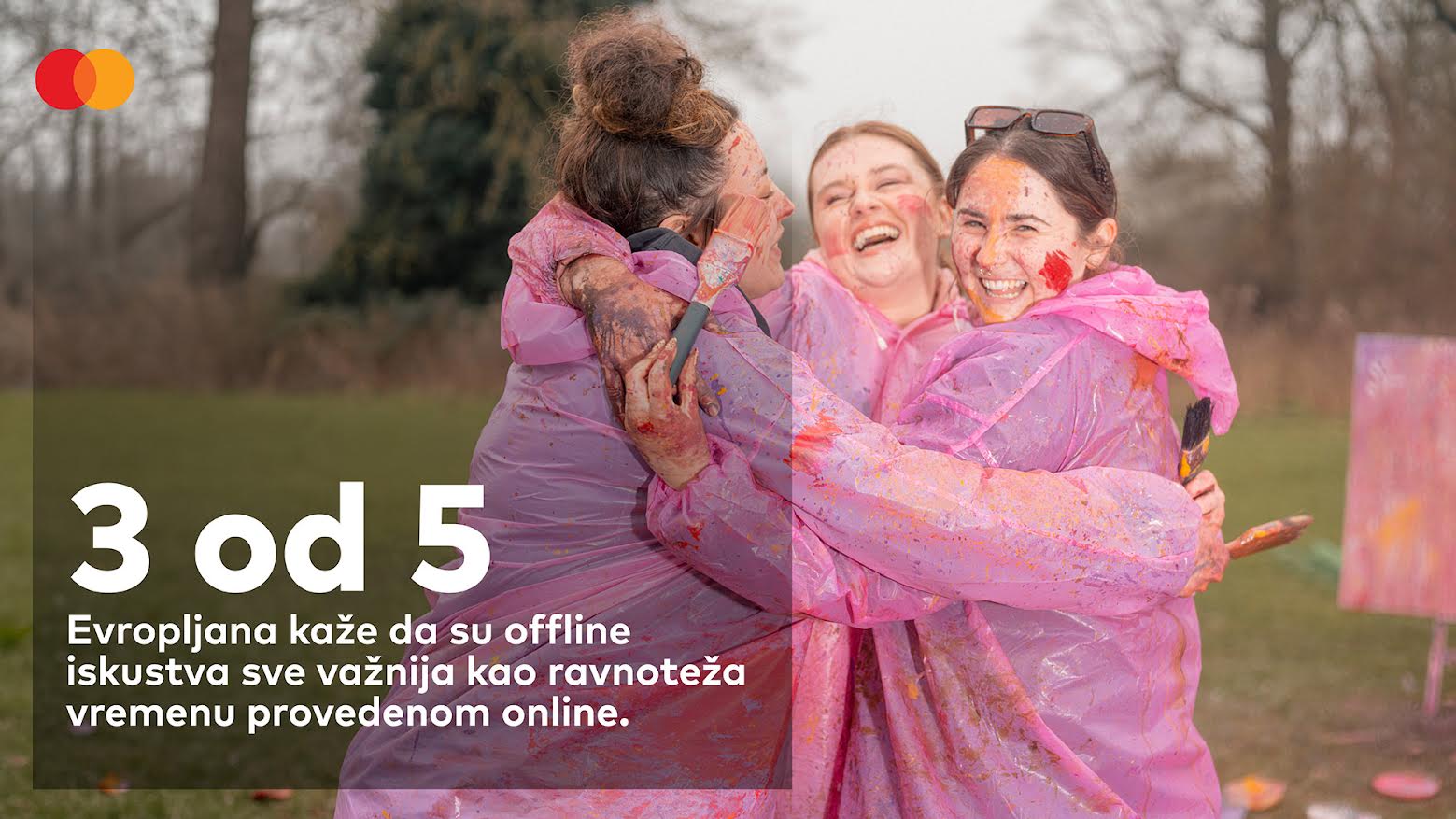
According to the findings, nearly two-thirds of Europeans (64%) are now actively seeking recommendations from people rather than algorithm-driven suggestions, while 60% of respondents say they intentionally choose offline activities to reduce the time they spend online. At the same time, 63% plan to participate in different forms of digital detox activities, while 58% are looking for shared experiences as a way to cope with the stress and pressures of modern life.
The shift is also visible in consumer spending priorities. Nearly half of respondents (46%) are willing to spend less on technology, gadgets or streaming services in order to invest more in leisure time, travel and experiences. As many as 59% of respondents say they value experiences more today than material things.
As Jelena Sretenović, Director of Mastercard for the markets of Bosnia and Herzegovina, Serbia and Montenegro, points out, consumers are increasingly measuring value not through products, but through the feeling and experience those moments create.
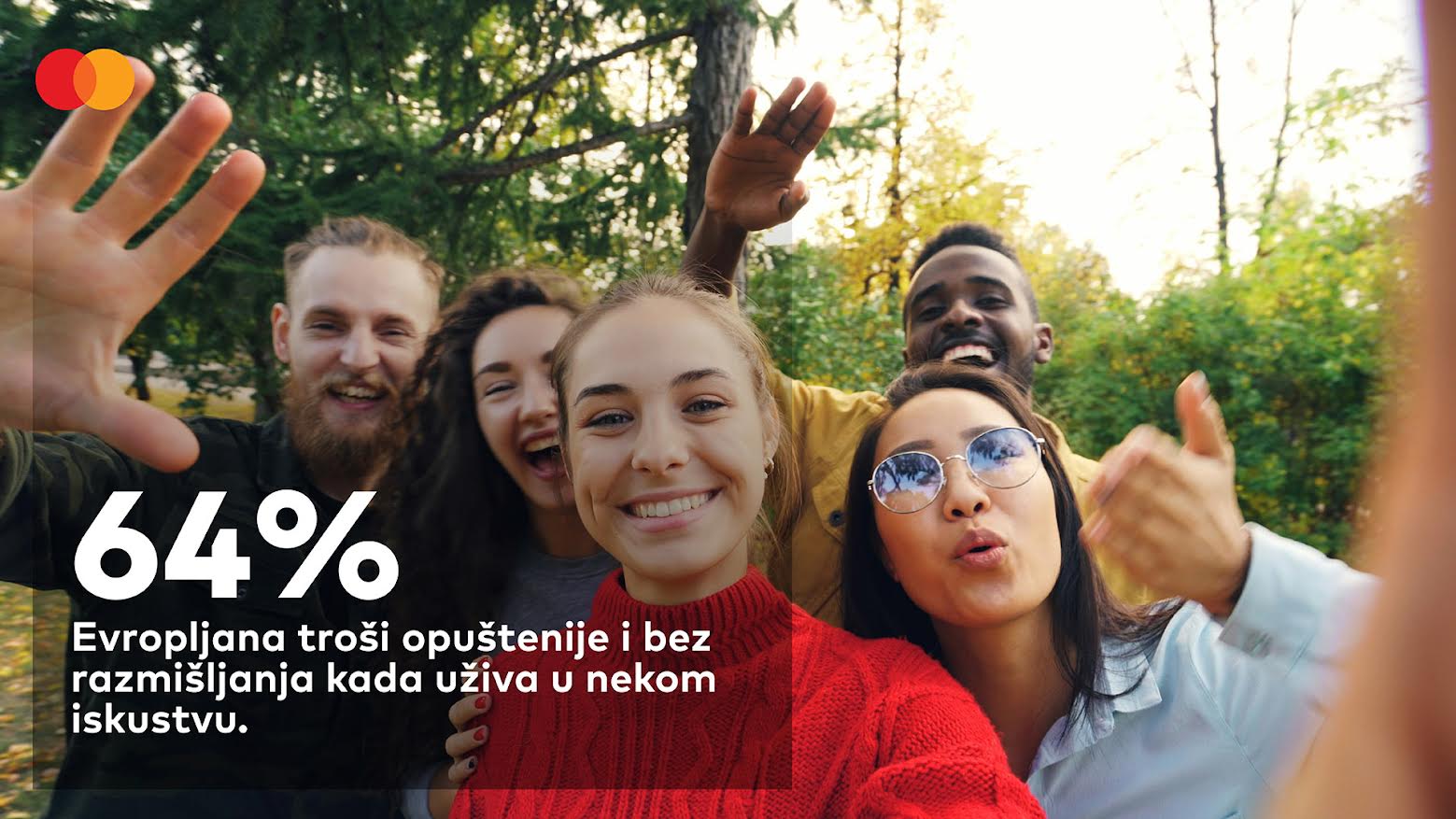
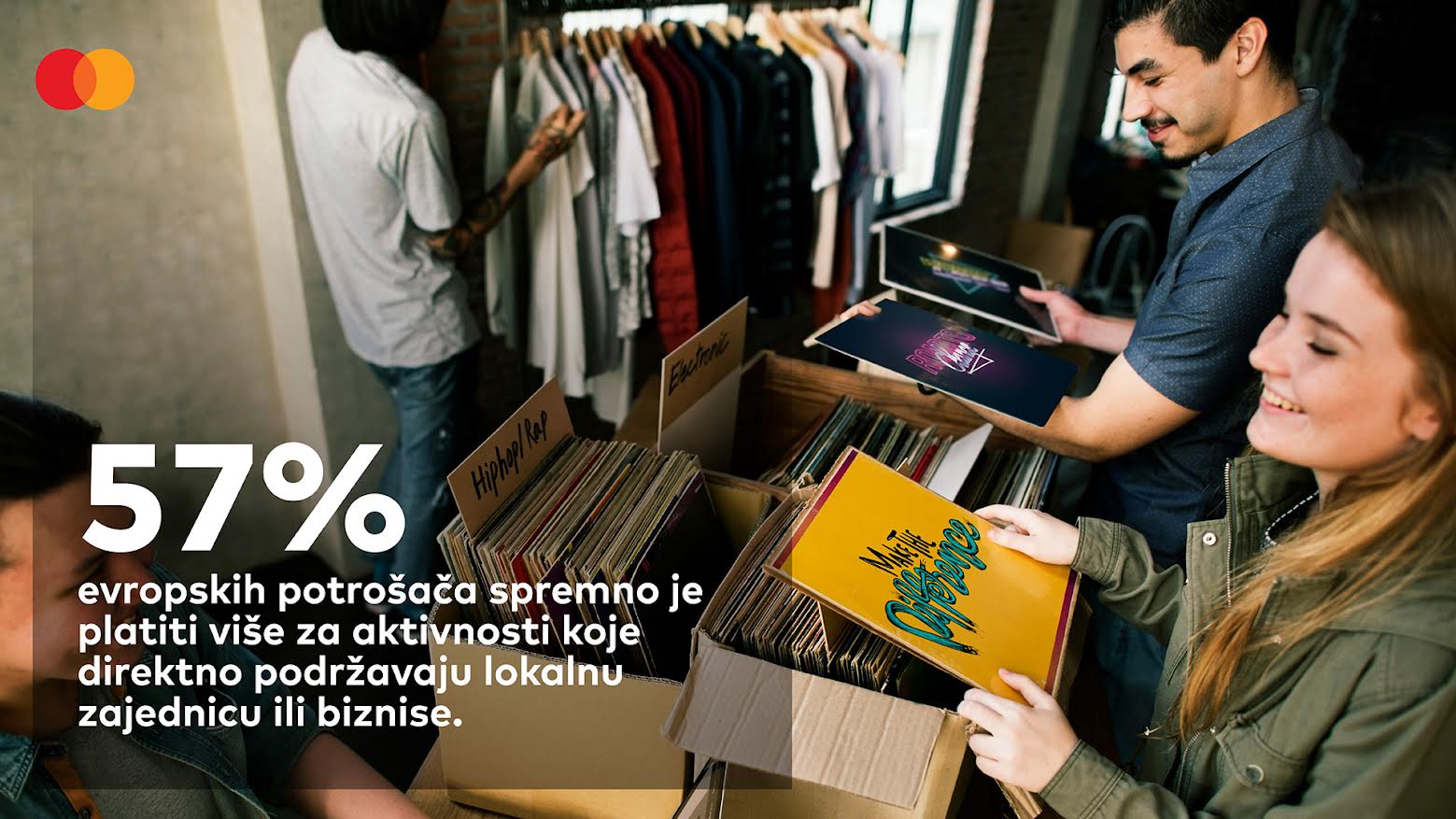
“Value today is increasingly measured through experiences, moments that create authentic emotions and connection. Our research shows that as many as 64% of consumers are willing to spend more when they enjoy an experience, while 57% are willing to pay more for activities that contribute to the local community and economy.”
The data also shows that this shift is directly benefiting small businesses. More than half of respondents associate small and medium-sized businesses with higher-quality and more authentic experiences, while 51% say they will consciously choose activities and services from local businesses. Additionally, 60% say they would use smaller companies more often if they offered experiences as gifts or as part of their offer.
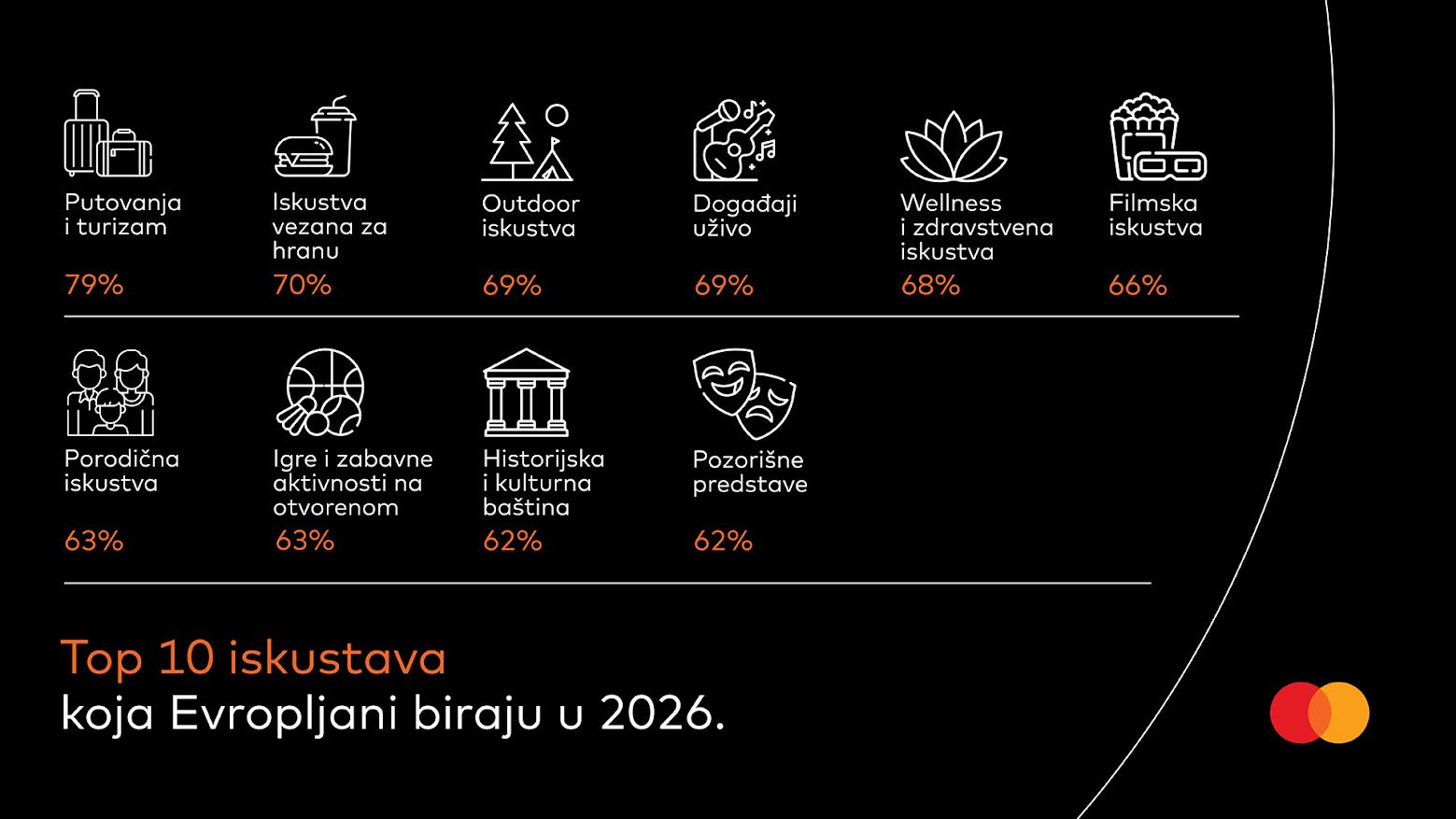
When it comes to the types of experiences expected to dominate summer 2026, the research shows that travel and tourism experiences (79%) top the list, followed by food and gastronomy-related activities (70%) and outdoor and nature experiences (69%).
Natalia Lechmanova, Chief Economist for Europe at the Mastercard Economics Institute, believes this is not just a passing trend, but a deeper shift in how people want to spend their free time today.
“As the influence of the digital world intensifies, consumers are reflecting a growing need for quality over quantity in experiences built around human connection. Whether it is live events, cultural experiences or activities discovered through personal recommendations, people are increasingly choosing moments that connect them and leave a lasting impression.”
In collaboration with Trend Hunter, the research identified several trends expected to shape the experience economy throughout 2026. Among them are analog escape through technology-free events, the growth of communities built around shared interests, a stronger focus on deeper interpersonal relationships, and increasingly visible nostalgia for experiences that evoke the “good old days.”
Nostalgia itself is becoming one of the more significant cultural and consumer drivers. As many as 72% of respondents are seeking experiences that revive past cultural moments, while 41% expect to participate in more nostalgic events and experiences this year than before.
Courtney Scharf, futurist at Trend Hunter, believes that the rise of artificial intelligence has further increased the value of physical experiences and shared time.
“The more omnipresent artificial intelligence becomes and the more of our lives we spend online, the more valuable in-person experiences become. AI can provide great insights in seconds, but it cannot recreate the chemistry of people sharing the same space, nor the unpredictability of a live moment.”
The findings primarily confirm a broader shift in consumer behaviour. After years dominated by digital platforms and content hyperproduction, audiences are increasingly looking for experiences that feel slower, more real and less controlled by algorithms.

