

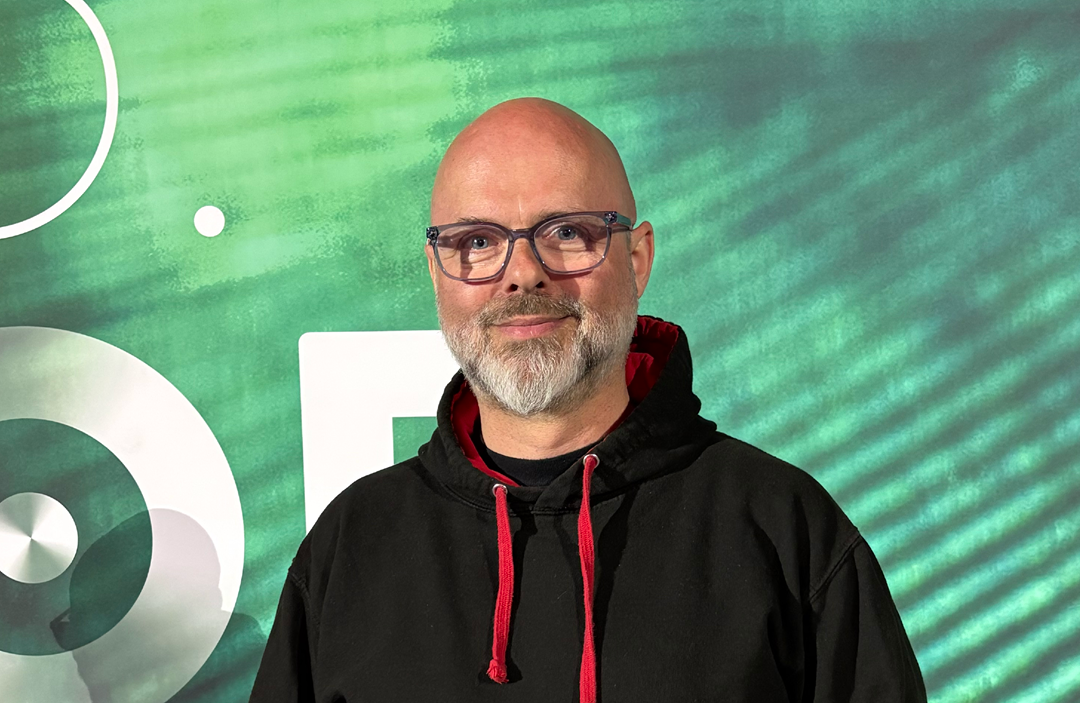
At the 35th SOF, international artificial intelligence expert Dave Birss argued in his keynote The Productivity Delusion that most companies currently use AI primarily to accelerate workflows, a tendency he described as one of the central misconceptions shaping modern marketing today.
Dave Birss has extensive experience across advertising, media, and technology. Over the course of his career, he worked as a creative director at leading agencies including OgilvyOne and McCann Worldgroup. He is also the author of several influential books, including How To Get To Great Ideas, A User Guide To The Creative Mind, and Iconic Advantage.
According to Birss, many agencies are leveraging AI to reproduce existing ideas more efficiently while believing they are building the future. “AI is misunderstood today even by many of the people developing it,” he noted. In his view, the core issue lies not in the technology itself, but in how it is being applied, without sufficient reflection, skepticism, or genuine creative process.
He also emphasized that discussions around artificial intelligence should remain fundamentally centered on people rather than technology alone. “If technology becomes the sole priority, then the underlying priority is ultimately profit,” he said. Birss warned that current patterns of technology use increasingly encourage people to disengage from their own critical thinking: “When thinking is reduced and only execution remains, where does meaningful marketing still exist?”
A key focus of his talk was the importance of critical judgment. Birss argued that AI systems are often overly “accommodating,” rapidly validating ideas instead of challenging them. For that reason, he suggested AI should primarily serve as a tool for testing, questioning, and refining human thinking, rather than as an automatic solution for every task or problem.
In closing, he encouraged the audience not to lose sight of the qualities that remain distinctly human amid the rapid advancement of AI: curiosity, discernment, and the capacity for thoughtful reflection. “Judgment is your competitive advantage,” he concluded.

