

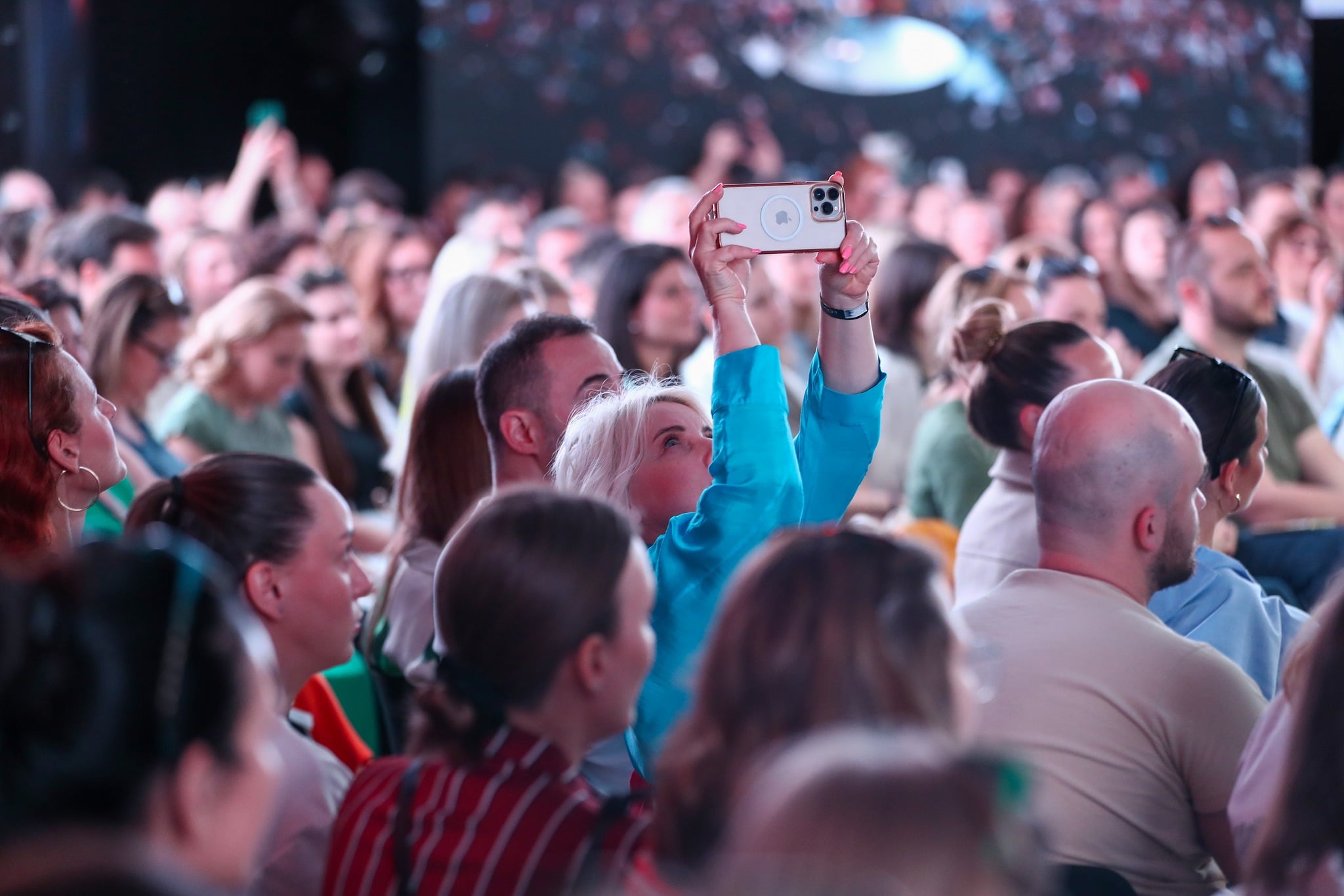
Photo: Matija Habljak
It is becoming increasingly difficult to predict what will succeed. This uncertainty now defines the way communication is created and operates. It is no longer a linear process that follows predefined rules, but a combination of context, audience and moment. Strategy still exists, but it is more layered, more demanding and far less predictable than before.
In such an environment, Dani komunikacija, taking place from May 7 to 10 in Rovinj, gather several thousand communication professionals and, through more than 100 programme sessions and around 200 speakers, open questions the industry can no longer ignore. The emphasis is not on theory, but on concrete examples, decisions and processes that show how communication actually works today.
Hero products, decisions and what is rarely communicated
The conversation A Story (Finally) Told: The Marketing Playbook with Mate Rimac and Damir Sabol opens a topic that is often avoided in the public communication of successful projects. What does marketing look like when it is not driven by campaigns, but by the product.
Davor Bruketa (co-founder and creative director, Bruketa&Žinić&Grey, member of HURA and IAB Croatia) in conversation with Mate Rimac (founder of Rimac Automobili and Rimac Technology) and Damir Sabol (founder of Photomath) brings a view into the concrete decisions, risks and processes that shaped their companies. What comes to the forefront are the numbers and moves that defined long-term brand development, rather than the success narrative that is usually communicated.

Creativity between process and visibility
The panel Versatility of Creativity: Between the Quiet and the Noise addresses the tension between creation and the need for constant visibility. Creativity today does not exist in isolation. It comes with context, explanation and distribution.
The discussion is moderated by Jelena Fiškuš (creative director and co-founder, Studio Sonda), with participants Marina Mesar (OKO), Baby Lasagna and Gala Marija Vrbanić (founder of Tribute Brand). The question raised is not only how creative work is made, but how it survives in an environment that demands constant presence.

When a brand outgrows control
The case of Kult Plave Kamenice quickly opened questions of ownership, control and the way brands are built and protected today.
In the conversation Trademarked: The Kult Plave Kamenice Power Move – In Conversation with Mario Mandarić, Dunja Ivana Ballon (director of Dani komunikacija and programme, executive director of HURA and IAB Croatia) with Mario Mandarić analyses the decision that triggered a wider industry discussion. The conversation returns to the moment of decision and the consequences that follow when a brand becomes larger than its initial strategy.

What communication can learn from street art
Street art does not ask for permission, but it demands attention. This relationship with space and audience opens the question of what the communication industry can learn from an approach that does not depend on budgets and formats.
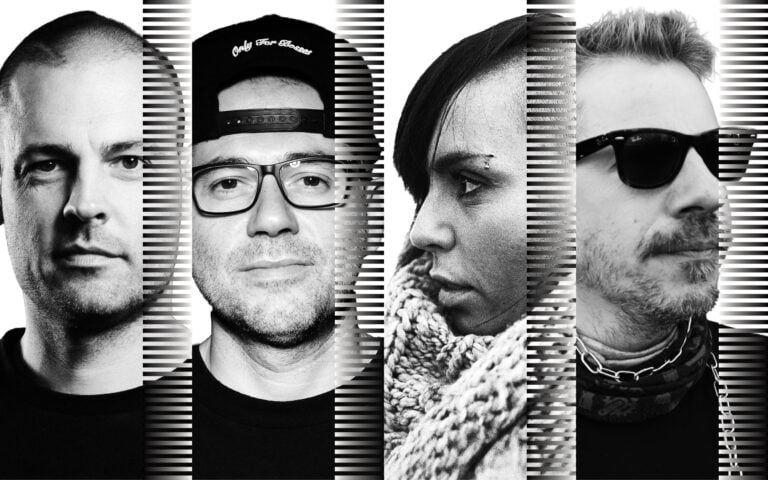
The panel The Anti-Medium: What Street Art Can Teach the Communication Industry is moderated by Tine Lugarič (co-founder and creative director, Trampolin), with Phat Phillie, Ana Delić (creative director, New Moment) and Slaven Lunar Kosanović participating. At the centre of the discussion is the balance between visibility and value, and how to leave a mark without trivialising space.
Why some stories stay
While most content quickly disappears, the film Svadba did the opposite. It stayed and grew.
The panel The Wedding That Beat Titanic: 2 Million Reasons to Talk About Svadba brings a conversation between Igor Šeregi (screenwriter and director) and Goran Turković (designer, Šesnić&Turković), who open up the process behind the project and the decisions that ultimately made the difference. The emphasis is on the real moments behind success, from the initial idea to audience reaction, and on why some stories are retained by audiences.

Gen Z between adoption and caution towards AI
Generation Z uses artificial intelligence daily, but without full trust. This ambivalence opens important questions for the communication industry.
The panel Tool, Toy or Trojan Horse? Gen Z’s View on AI powered by McCann & UM / AMA Group is moderated by Katarina Robeli (director, UM Zagreb) and Mate Šola (strategic planner, McCann Zagreb), with Filip Filković, Renata Geld (director of the Centre for Cognitive Science, University of Zagreb) and Ana Lakić (marketing director, Jamnica Plus) participating. The discussion opens the relationship between technology, trust and authenticity, as well as implications for brands.
Authenticity as the most ambiguous currency of communication
Authenticity has become one of the most frequently used words in the industry, but also one of the least defined.
The panel We All Witnessed a Murder. Of Authenticity. by WOLF addresses the boundary between real and constructed identity in communication.
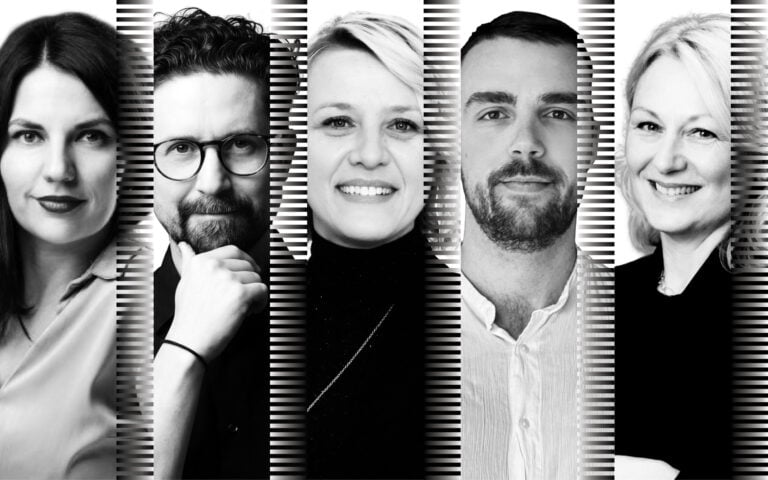
The discussion is moderated by Ana Rotim (director, aqventi), with Petra Franić (Senior Manager Brand Communications, PR and Digital, adidas), Natko Beck and Tatjana Jurić participating. It examines how the perception of authenticity is built today and how audiences respond to it.

Through these conversations, Dani komunikacija open space for understanding what is often not visible in communication, but directly influences its effectiveness. Different perspectives and concrete examples show why communication today increasingly moves away from predefined rules and becomes a matter of interpretation, context and decision.
More information about the programme is available on the official festival website.

