

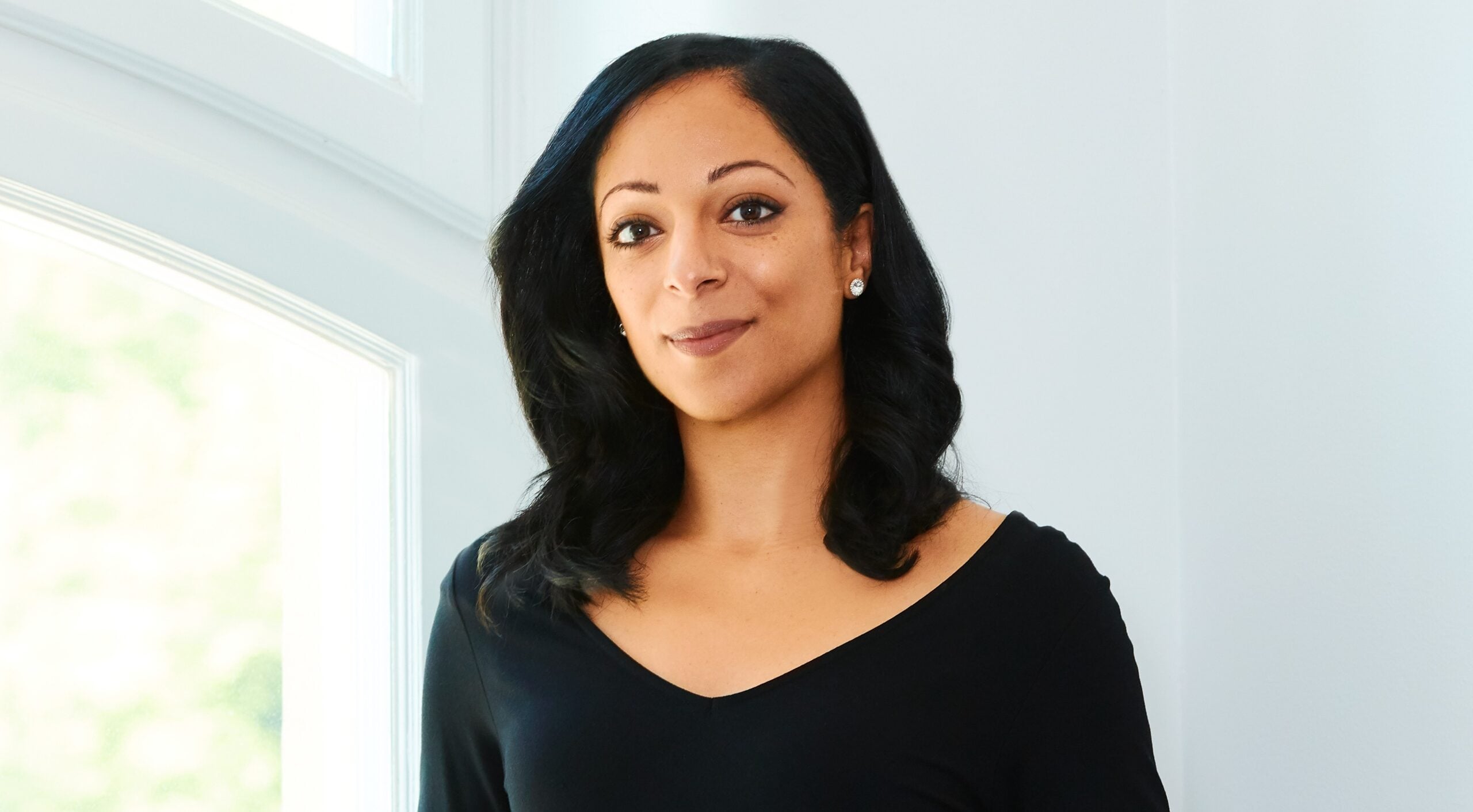
Promises about a company’s values face their most important test when something goes wrong. That is when it becomes clear how closely decisions align with what an organisation says about itself, and how willing its leaders are to take responsibility. Jeanette Fors-Andrée has spent more than two decades advising organisations and business executives in such situations, from the first signs of trouble to media firestorms. Her experience includes working with global brands, listed companies, non-profit organisations, trade associations and public figures.
As a senior crisis management advisor and media trainer, Fors-Andrée devotes a significant part of her work to preventing problems and negative coverage from escalating into full-blown scandals. Through media appearances, lectures, education and books, she contributes to the understanding of crisis communication and the advancement of professional standards, work for which she has also been recognised within the Swedish communications industry. Her latest book, Own Your Agenda: How to Avoid Reputation Crises, Media Firestorms and Public Shaming, explores crisis preparation and ways leaders can retain the initiative during public and media scrutiny. She is also a recipient of the PRO PR Globe People Achievement Award.
In our interview for Media Marketing, she explains why preparation begins with the question an organisation least wants to hear and why an operational failure calls for demonstrable action. We discuss the high ethical expectations of Swedish society, the pressure that speed and clicks place on journalism, and the spread of unverified accusations from social networks to traditional media. We pay particular attention to the conditions of interviews, the interviewee’s right to retain their own angle and an organisation’s obligation to think first of those affected by a crisis.
You are one of the prominent experts in crisis communication in Sweden, and your latest book, Own Your Agenda: How to Avoid Reputation Crises, Media Firestorms and Public Shaming, explores ways to prevent reputation crises, media firestorms and public shaming. What key advice and recommendations would you give to organisations and their leaders when it comes to protecting and managing their reputation?
First and foremost: We must reframe crisis communication from a basic reactive reflex into an act of leadership and integrity. In today’s high-velocity media climate, reputation cannot be protected through superficial PR tactics. I always give leaders three fundamental recommendations:
- Build your ark before the rain: Crisis management is about creating as much control as possible in an uncontrolled situation. This requires systematic groundwork long before a crisis hits. You must actively identify your vulnerabilities and ask the hardest question: ‘What is the most critical question we do not want to receive?’—and prepare for it.
- Own your agenda from start to finish: When scrutiny begins, organizations often fall into a victim mentality and submit to the media’s predetermined dramaturgical script. You must remember that you represent 50% of the interview. Do not give away your power. Set fair ground rules—clarify timeframes, decide on formats, and communicate on your own terms with absolute transparency and factual precision.
- Defend trust through the power of action: Trust capital is the aggregated risk others take when they choose to believe you will meet their expectations. If there is an operational failure, you cannot spin your way out. You must stand firm when the wind blows, defend your core values, and resolve mistakes through decisive, demonstrable action.
How would you assess the current status of public relations and strategic communication in Swedish society? Do organisations place enough importance on open and transparent communication, and, based on your experience, what are the most common causes of reputational and communication crises in Sweden?
Sweden and the Nordic region occupy a unique position. According to global research like the World Values Survey, Sweden is the world’s most extreme country regarding individual autonomy, secular-rational values, and expectations of transparency and equality. In our society, it is not enough for an organization to be legally correct; the moral and ethical expectations are exceptionally high. In the absence of traditional common pillars, a secular society often judges harshly based on prevailing public sentiment, which can rapidly turn into collective moral panic and digital lynch mobs.
Based on my 22 years in the field, a reputation crisis is fundamentally the gap between core values and how well you live up to them—the mismatch between words and actions. The most common causes of reputational crises in Sweden are:
- Broken promises and unfulfilled expectations: Lofty brand messaging or value statements that clash directly with (what seems to be) operational realities.
- Role and messaging confusion: Becoming so vague in an attempt to please everyone that the core purpose loses its distinctiveness and relevance.
- Denial, delayed response or reactions stemming from panic and fear of the media: Waiting too long or acting incorrectly in panic allows rumors and loose accusations to become established truths.
How would you describe the media landscape in Sweden today? To what extent are Swedish media independent from political and other external influences, and what is the practice regarding paid media content and the clear distinction between editorial and sponsored content?
The Swedish media landscape is characterized by high institutional independence, strong constitutional protections for freedom of the press, and a strict, well-regulated division between independent editorial journalism and sponsored commercial content.
However, independence also operates within a fiercely competitive commercial reality. Traditional newsrooms are chasing quick clicks and digital engagement, which has intensified the dramatization of news. Media scrutiny escalates into full-blown scandals faster than ever before.
The main challenge today is not political censorship, but the unforgiving media logic where complex situations are reduced to black-and-white narratives. The media assigns roles—the perpetrator and the victim. To navigate this landscape, leaders must stop seeing themselves as victims of scrutiny. They must understand media logic, demand fair and transparent conditions, and communicate with credibility, speed, and integrity.
Technological changes are significantly transforming the way communication crises emerge and develop. We are witnessing a growing number of digital platforms, shrinking newsrooms and the almost instantaneous spread of information. How does Sweden address the challenges of disinformation and fake news, and how much attention is being paid to developing media literacy?
Digital platforms and the power of the hashtag have democratized communication, but the backside is brutal: it has never been easier to have your trust capital destroyed overnight. In the digital arena, movements mobilize in seconds, and an electronic lynch mob can pass brutal judgments without evidence or verification. When traditional media picks up these unverified social media narratives, it gives them institutional legitimacy and weight, creating a ruthless people’s court where the punishment rarely fits the alleged wrongdoing.
Sweden addresses this through strong institutions, such as the Psychological Defence Agency (Myndigheten för psykologiskt försvar), and a structured focus on media and information literacy in our educational system.
For organizations and leaders, however, the real challenge is dealing with viral outrage and digital panic. The only defense is resilience: establishing direct communication channels with your stakeholders, maintaining radical factual accuracy, and responding with speed, empathy and demonstrable actions before an electronic mob defines the reality for you.
Given your extensive experience in crisis management and advising organisations and business leaders, is there a particular crisis communication case or case study that you would highlight as a good example of effective crisis management? Why?
The best crisis management cases are often the ones the public never hears about—because the issues were resolved with integrity before escalating into a media firestorm. Rather than pointing to a specific corporate brand, the cases that truly stand out as masterclasses in crisis leadership share the same four golden principles:
- Immediate ownership: Acknowledging the issue without shifting blame or using defensive qualifiers.
- The power of action: They present concrete, corrective measures alongside the disclosure of the problem, closing the gap between values and behavior.
- Putting victims and stakeholders first: Focusing entirely on those affected, rather than on the organization’s own discomfort or commercial impact.
- Setting the terms: Your role is not to meet the journalist’s expectations. You have the right to hold on to your own angle – that is how you transform from an “interview victim” to an interviewee. Don’t give away your power to set the agenda and affect the outcome of the interview.
You are a recipient of the PRO PR Globe People Achievement Award. What does this recognition mean to you?
I am deeply proud and honored to receive the PRO PR Globe People Achievement Award. Having my long-term work—raising professional standards in crisis management and empowering leaders to own their agenda—recognized on a global stage is truly meaningful. This award is a strong confirmation that principled and structured crisis leadership is essential across borders.
What makes this recognition especially significant is that it highlights the fight against public shaming, media firestorms, and unreasonable media dramaturgy, as well as my work to formalize fair, predictable, and transparent methods when engaging with investigative journalism.

