

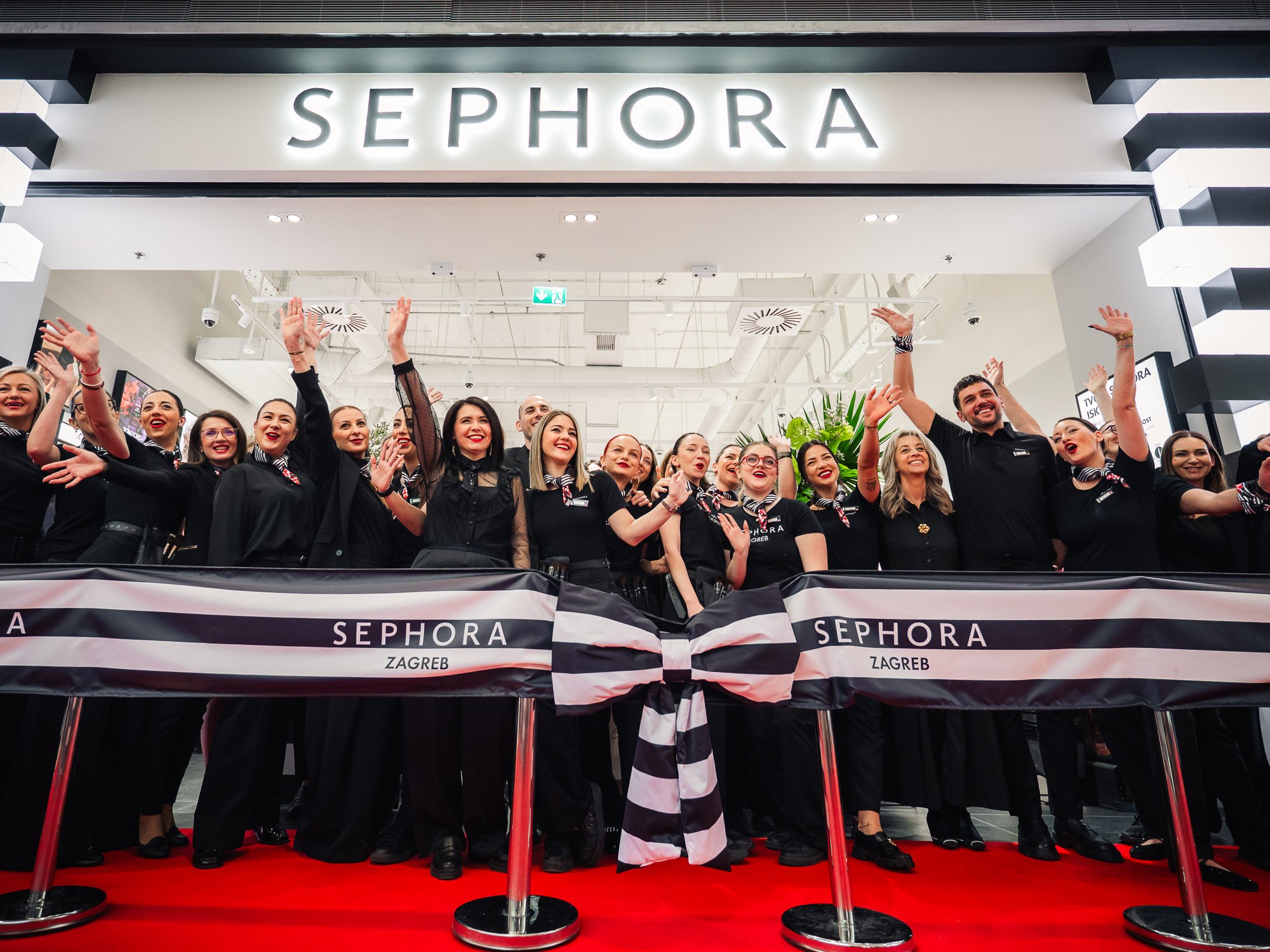
The opening of the first Sephora store in Croatia was not merely the arrival of another global brand, but a complex example of how international retail launches today function as a fusion of marketing, production, PR, experiential strategy, and operational management.
For the domestic communications industry, such a project clearly illustrates how the entry of major global systems into regional markets requires far more than traditional event organization. Operating within strictly defined global standards demands precise local adaptation, high-level coordination, and the ability to manage a large number of simultaneous activities.
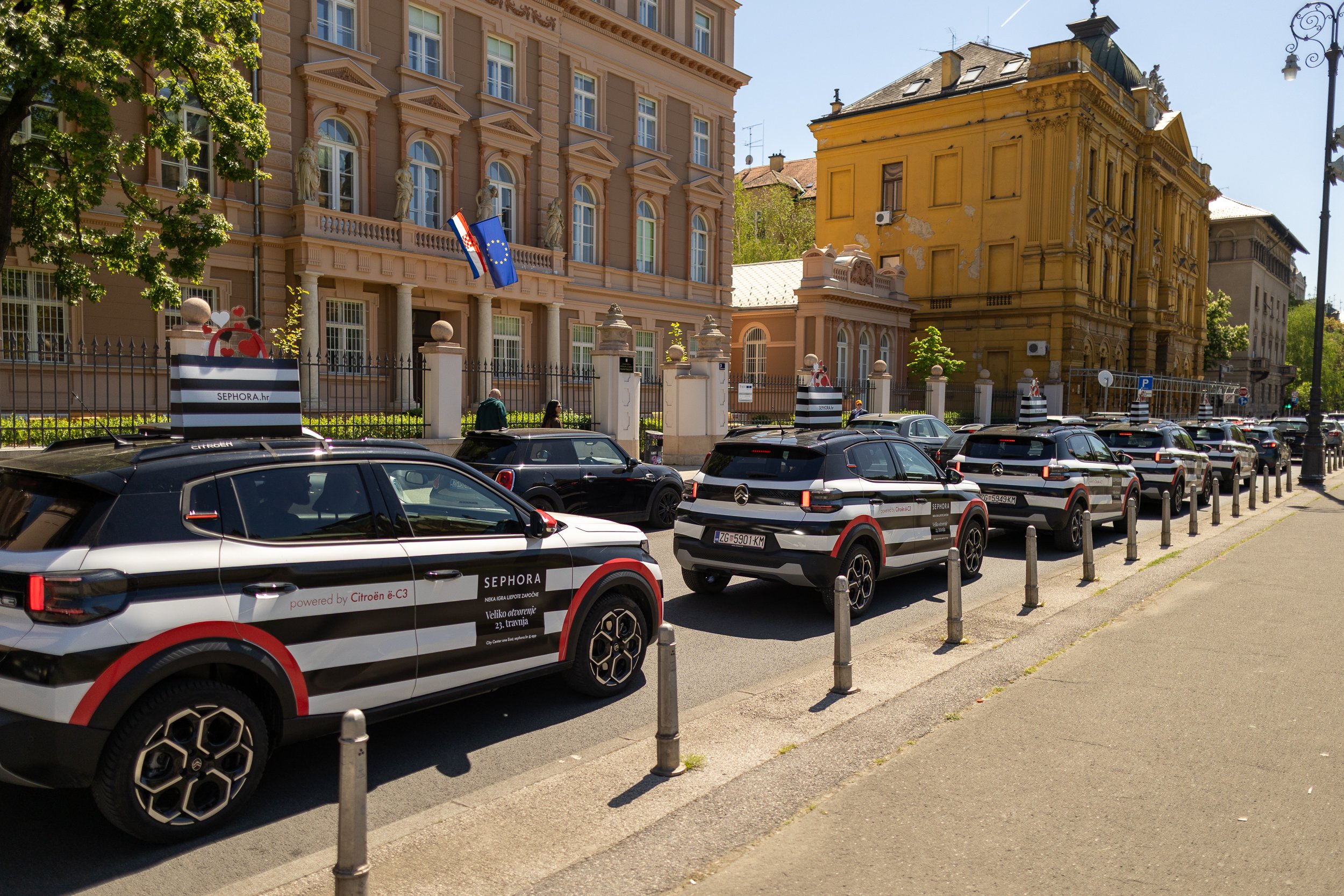
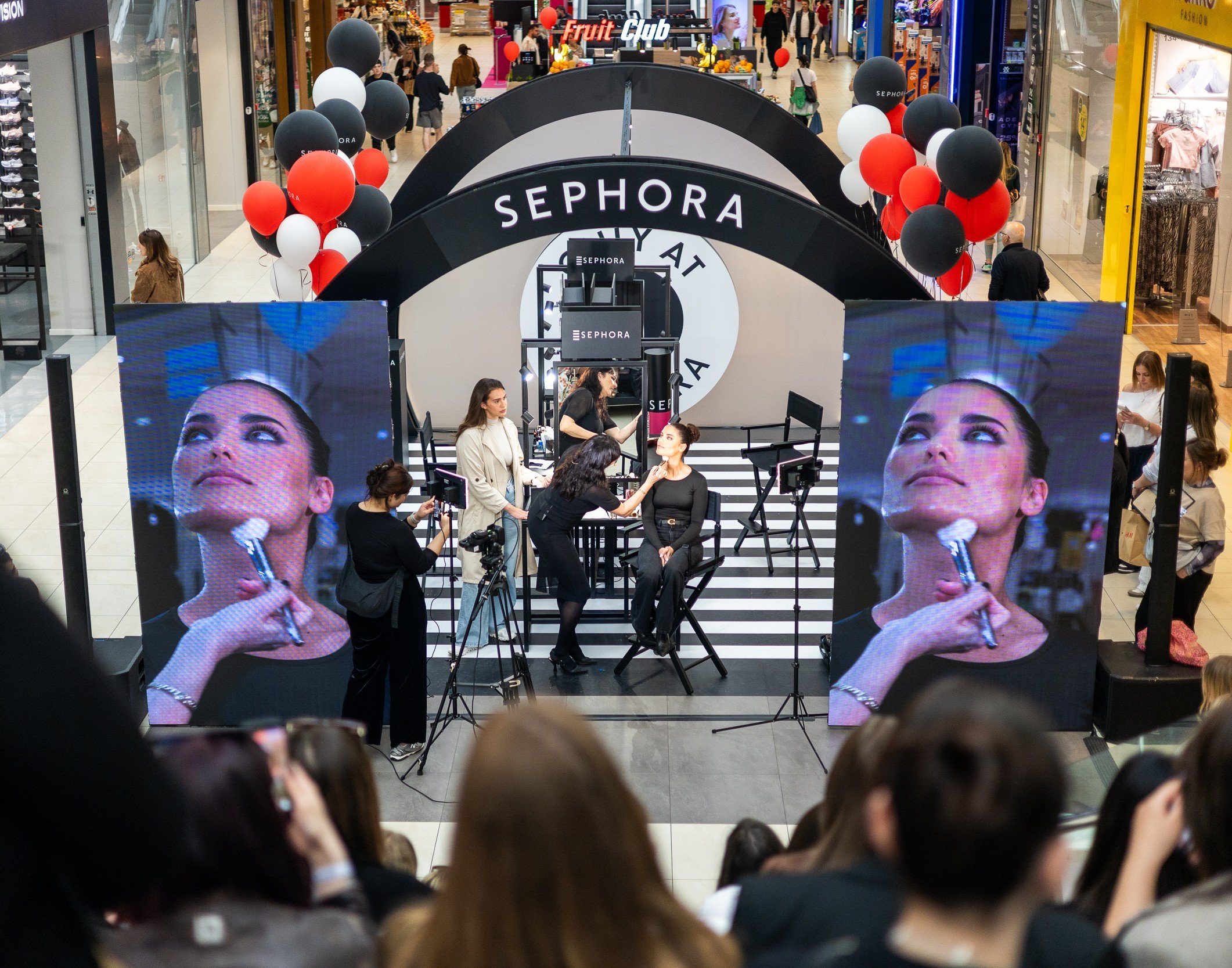
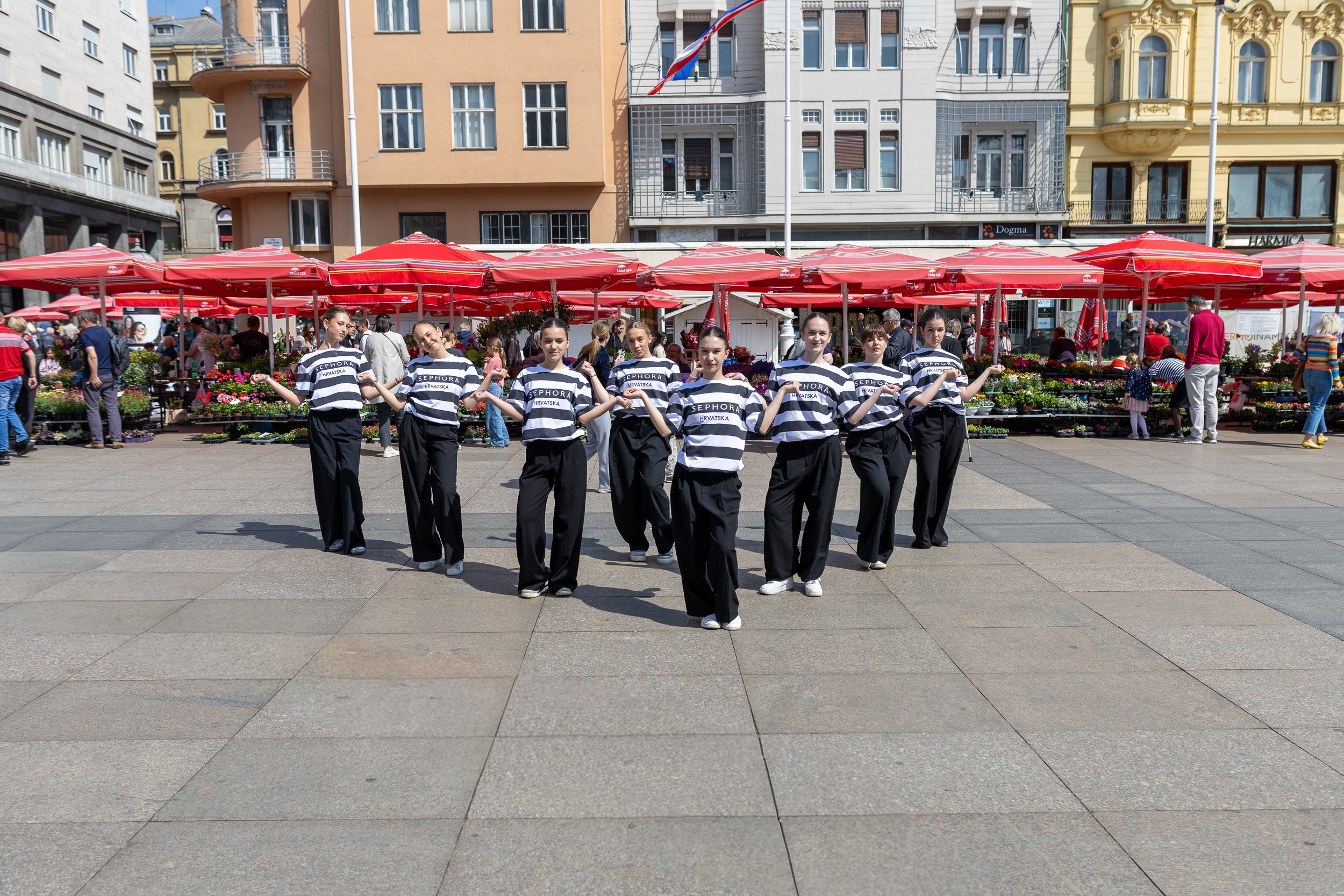
In Sephora’s case, the project’s creative concept and production execution were developed under the leadership of agency Organizacija, which was particularly evident through its broad launch model: from a pop-up zone for the Sephora Pro Team and masterclasses with Natasha Denona, to XL branded shopping bags across downtown Zagreb, a fleet of branded vehicles, dance flash mobs, and the complete takeover of shopping mall spaces. Even visitor queues were transformed into part of the experience through carefully designed details such as branded food, beverages, and additional activations that turned waiting time into an extension of the event itself.
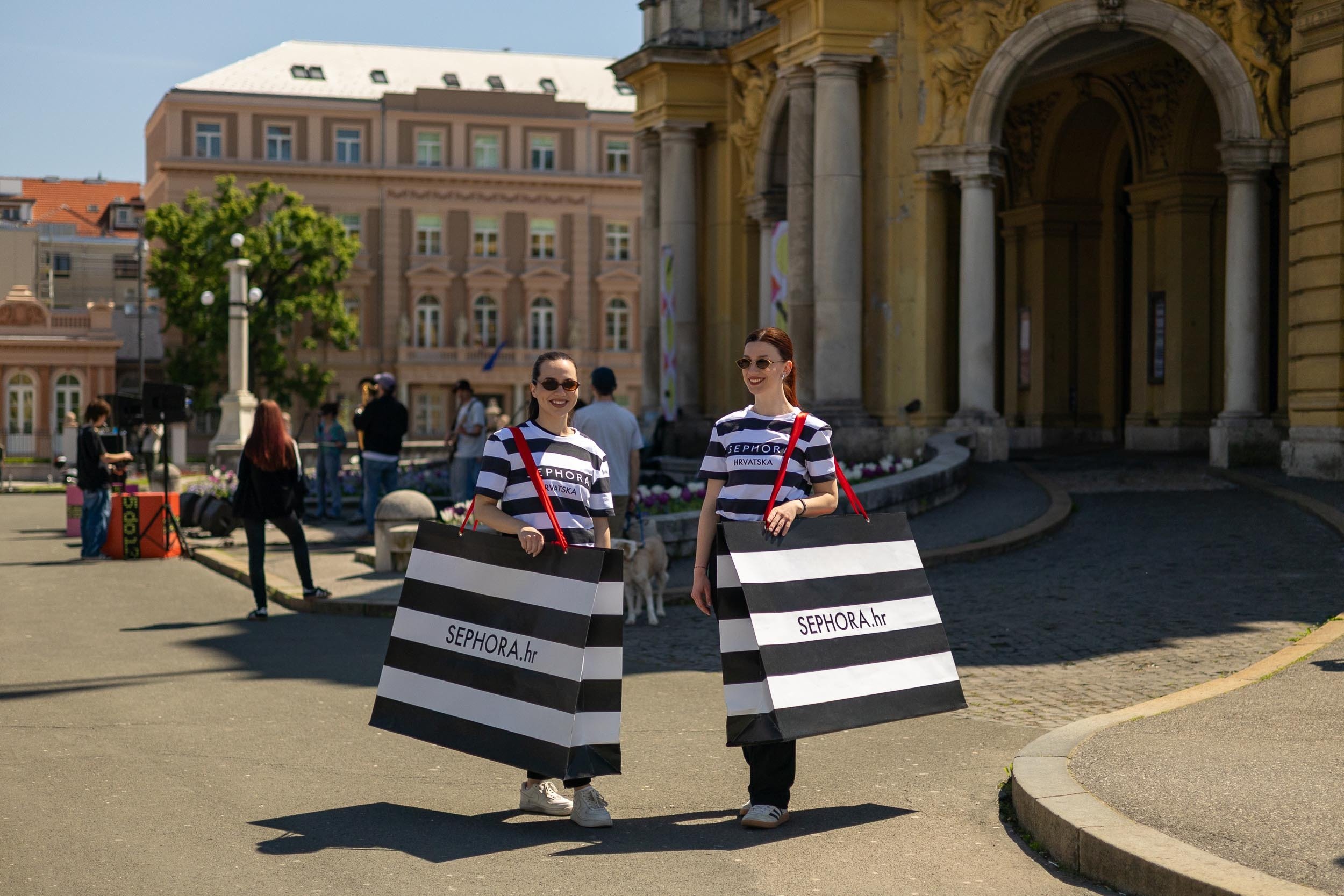
The experiential marketing segment alone involved collaboration with more than 50 partners, suppliers, and various operational teams. Such a multilayered structure further confirms how contemporary launch projects require integrated management across multiple communication disciplines.
This approach demonstrates how retail events today increasingly serve not simply as store openings, but as strategic tools for market positioning, reputation building, and creating long-term emotional connections with audiences from the very beginning of a brand’s market presence.
A particularly important industry signal lies in the fact that projects of this scale test the full capabilities of local agencies. Managing large numbers of partners, suppliers, and complex stakeholder environments shows how the modern event sector is steadily evolving from operational execution into the sphere of strategic business management. In delivering Sephora’s market entry, alongside Organizacija, key roles were also played by WPP Media as the media agency and Aplauz komunikacije, responsible for PR and influencer strategy.
For the regional marketing and creative industry, Sephora’s launch thus becomes an indicator of a broader industry transformation, in which experiential marketing, production precision, and local executional excellence are becoming essential competitive criteria for the arrival of the world’s largest brands.

