

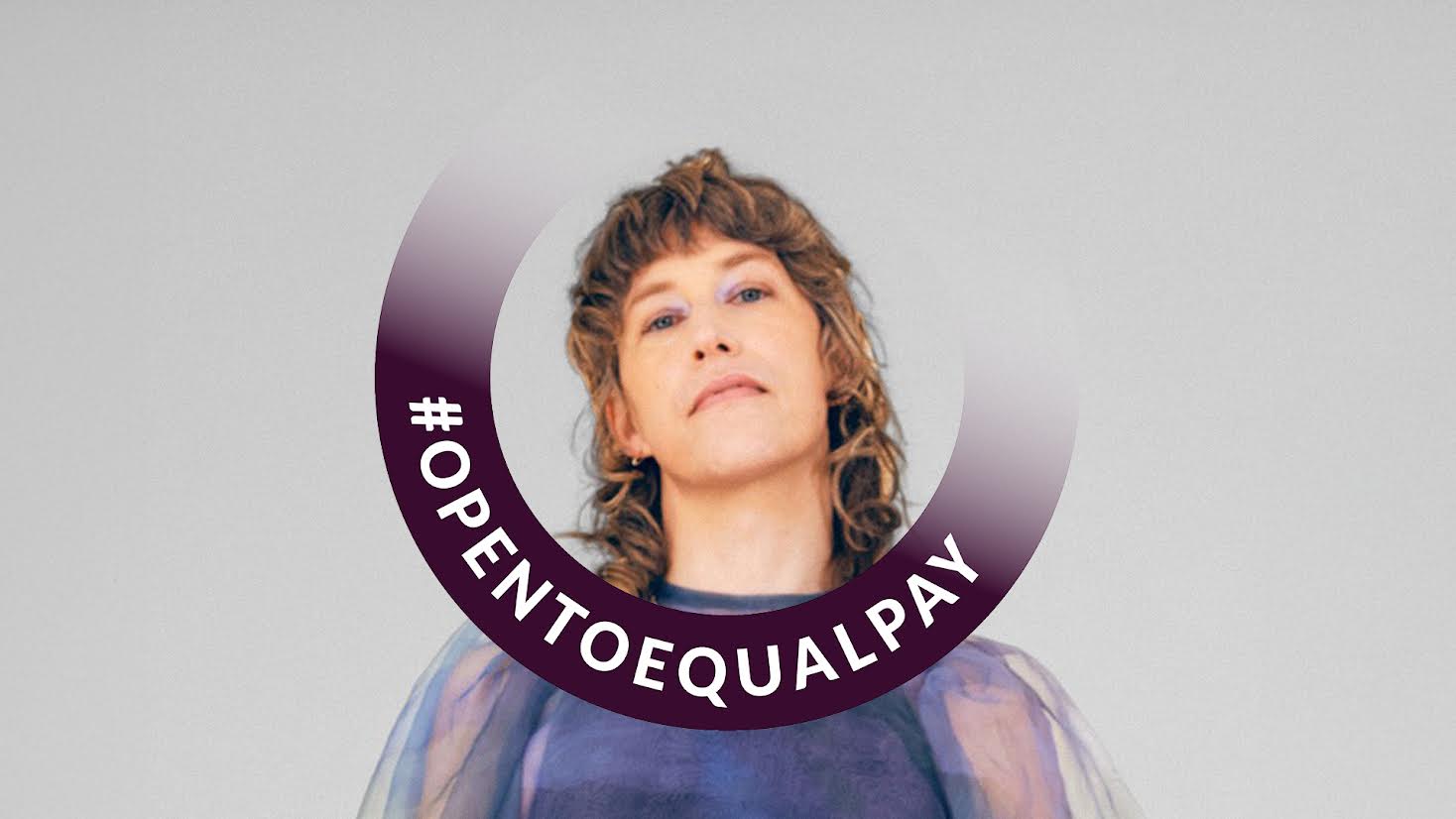
On LinkedIn, a glance at someone’s profile picture is enough to find out whether they are looking for a job. Since 26 November, users of the social network have been able to show their support for equal pay for women and men in the same way. Creative and strategic agency Dawn developed the #OpenToEqualPay campaign for the Dutch feminist legal organisation Bureau Clara Wichmann, drawing inspiration from LinkedIn’s familiar Open to Work badge.
The campaign’s launch date was chosen to coincide with Equal Pay Day in the Netherlands. Women in the country still earn an average of 9.8% less per hour than men, while data from the European Institute for Gender Equality shows that the Netherlands has the largest gap in annual earnings between women and men among European Union member states. The symbolic significance of 26 November is that, when the difference in earnings is calculated on an annual basis, women effectively work for free from that date until the end of the year compared with men.
Bureau Clara Wichmann, which has been fighting for gender equality through legal action since its founding in 1984, decided this year to involve people who communicate daily on LinkedIn with their colleagues, current and potential employers.
On the campaign website, they can create their own profile picture featuring the #OpenToEqualPay badge. By displaying it on LinkedIn, they are calling on employers to examine pay disparities within their companies. The campaign is accompanied by social media posts featuring activist messages, designed following the organisation’s recent rebranding.
For Bureau Clara Wichmann, however, the issue of equal pay does not end with comparing the earnings of women and men. The organisation’s Director, Yomi van der Veen, highlights the need for further research into differences in earnings among women themselves, as well as how pay discrimination affects gender-diverse people. The organisation is currently exploring the possibility of conducting such research, taking into account factors such as ethnicity, age, social class and religion.

