

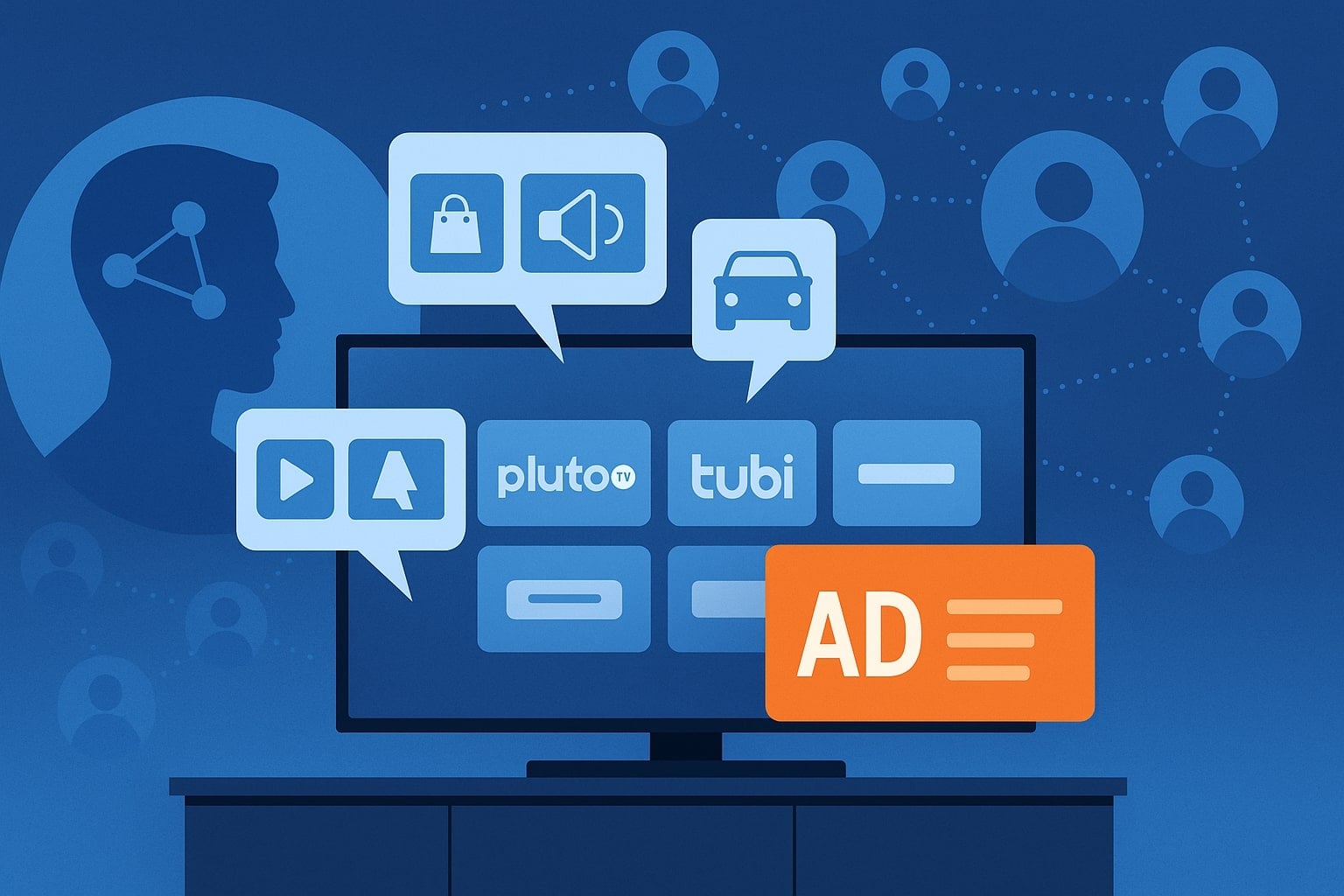
On traditional cable and broadcast TV, viewers were used to sitting through 12 to 16 minutes of commercials each hour. By contrast, most streaming services today keep ads to just four to eight minutes per hour, according to Wurl. This lighter ad presence has been a key draw for audiences, executives from four major streaming platforms told Adweek. Still, this cap isn’t mandated by regulation, it’s a choice the industry makes, guided mainly by what consumers will tolerate and by existing market standards.
Streaming platforms adjust ad loads based on cohorts, groups of viewers categorized by traits such as how long they’ve been subscribed, their location, or how many hours they watch each week. Unlike web or app environments, where ad frequency can be fine-tuned for each individual, streaming relies on these broader audience segments. The approach allows new users to experience lighter ad breaks to help prevent early drop-off, while more established viewers are served a steadier, more regular ad load.
This balance between consumer comfort and revenue generation is at the heart of the current streaming ad model. Platforms recognize that overloading viewers with commercials risks alienating audiences who came to streaming precisely for a leaner, more flexible experience. At the same time, advertising remains a critical driver of profitability in an increasingly crowded market where subscription fatigue is setting in.
To navigate that tension, services are experimenting with new forms of customization. For example, rather than simply capping ads by time, some platforms are testing ad formats that integrate more seamlessly with the content, shorter spots, interactive elements, or contextually relevant creative tailored to the program genre. Others are refining dayparting strategies, adjusting frequency based on when viewers are most engaged, such as evenings or during live sports.
A Deadline report notes that 54% of subscription video-on-demand users now subscribe to at least one ad-supported option, up from 46% the year before, as rising costs push audiences toward cheaper choices. Platforms such as Pluto TV and Tubi are capitalizing on this shift by applying cohort targeting.
Looking forward, analysts expect cohort targeting to evolve further through AI, with possibilities such as real-time sentiment tracking to gauge viewer reactions. At the same time, tighter oversight around data privacy could slow or reshape these developments. For streamers and advertisers alike, striking this balance has the potential to unlock billions in revenue, positioning streaming not just as a content platform but as a highly advanced, audience-focused advertising ecosystem.

