

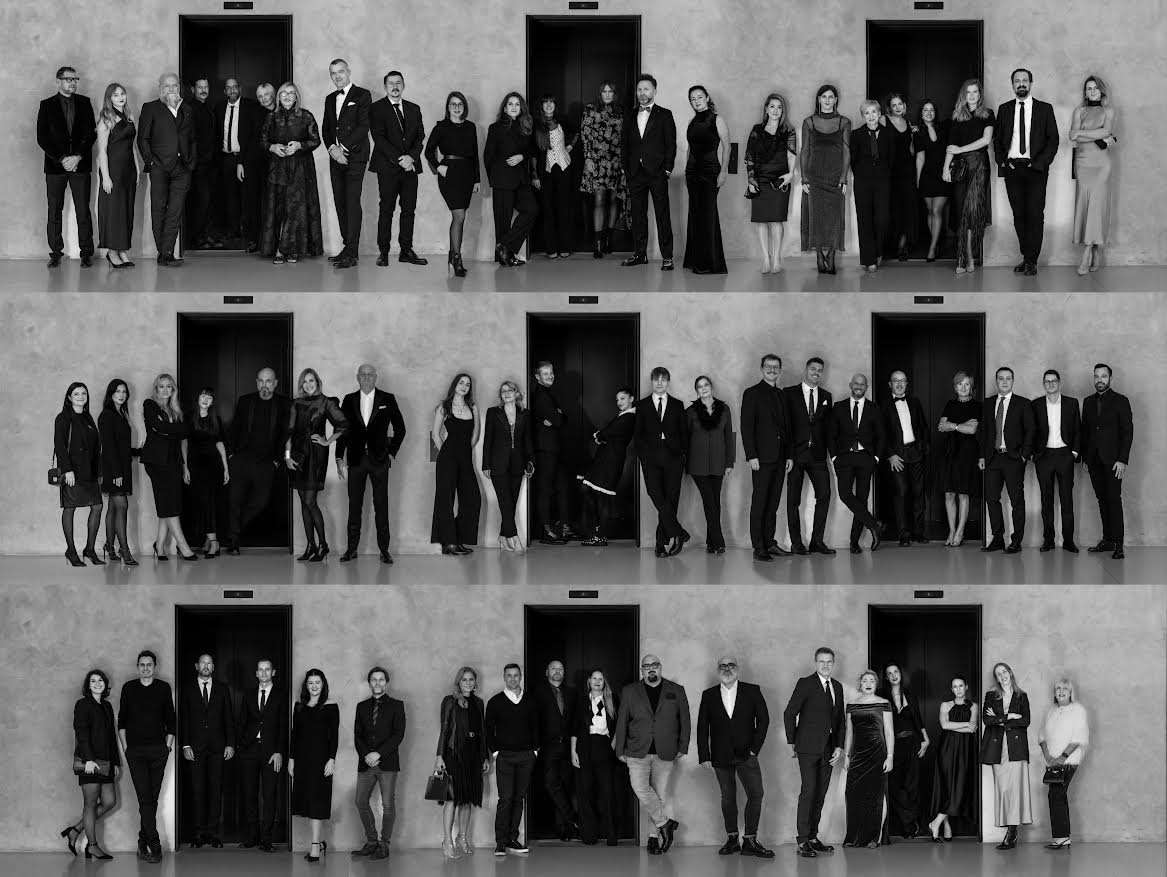
A creative concept developed for one market may later appear in another, just as a digital solution may remain in use after the project it was created for has ended. For the client, that work continues to have value, while for the agency it raises the question of how far the original agreement covers such possibilities. It was the member agencies of the Croatian Association of Communications Agencies (HURA) that proposed discussing the issue at this year’s HURA CEO Event, held on 16 and 17 November at the Grand Park Hotel Rovinj.
At the Members’ Forum, agency representatives compared their experiences of working with clients. The discussion covered creative concepts, strategies and digital solutions, and one question was how clearly both parties understand what the agreed engagement covers. The length of time the work can be used is only one part of the agreement. It is equally important that the agency and the client know which channels and markets a particular solution can be used in and under what conditions its use can extend to other projects.
The question of the scope of use also raises the question of the value of the work itself. If a concept continues to serve the client beyond the project it was developed for, how can that additional value be recognised and assessed? Members discussed where ambiguities arise in practice and which expectations agencies and clients could define more clearly. Those experiences provide a starting point for HURA’s further work on an issue that affects agencies with different specialisations and business models.
A workshop led by Janusz Stabik of the consultancy GYDA placed the question of profitability in a broader context. Over the course of his career, Stabik has advised more than 400 agencies worldwide. For the C-level Masterclass in Rovinj, he identified five areas that influence how their businesses develop. The first two concern the position an agency occupies in the market and how it generates demand for its services. The remaining three concern how it uses the resources available to it, builds long-term client relationships and makes decisions at the leadership level.
During the workshop, agency directors worked in small groups using the World Café format to explore how to address specific business challenges in their own agencies. The seventh edition of the event also included the General Assembly of HURA, which now has 71 member agencies, the highest number in its history.

