

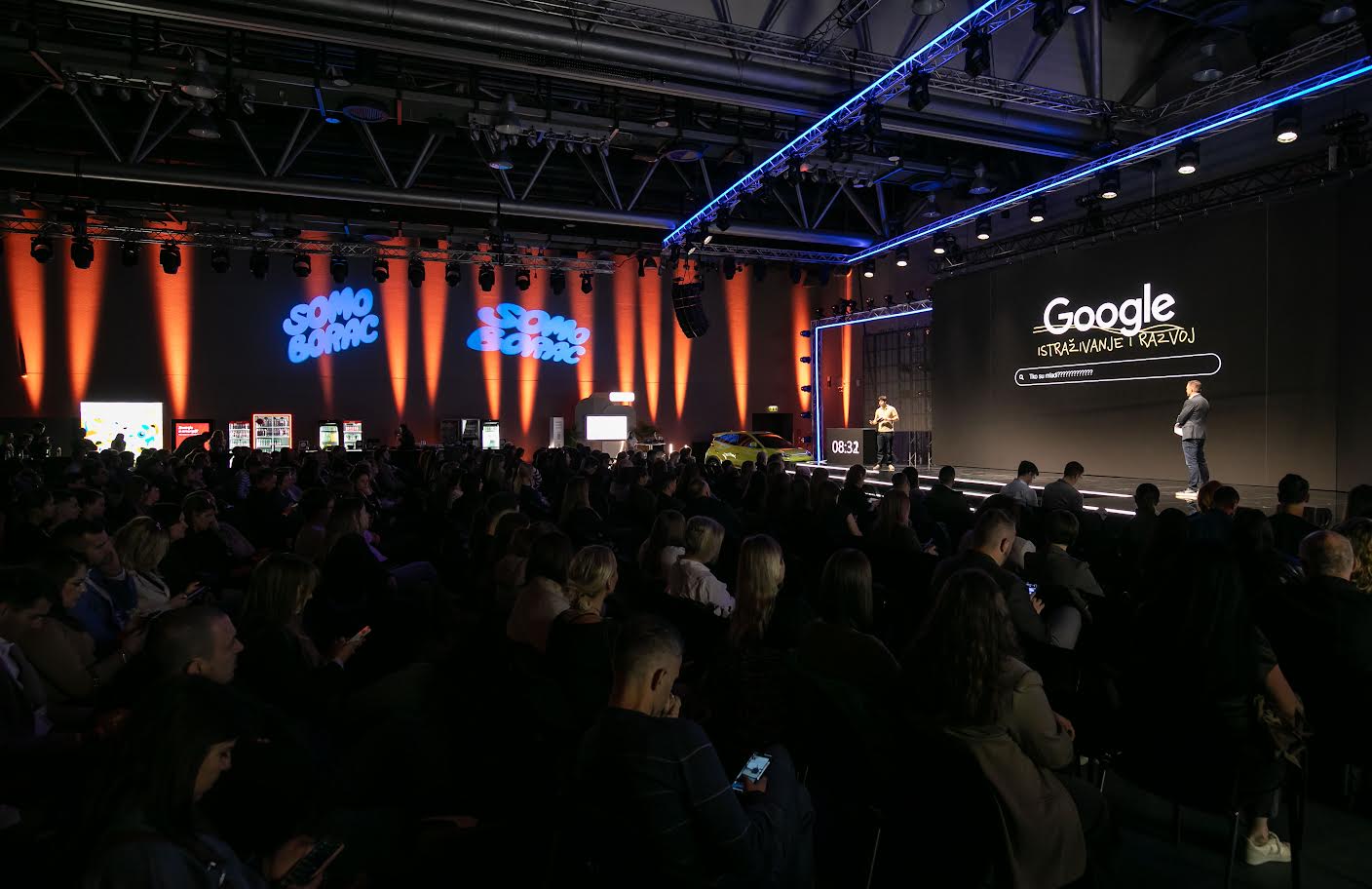
How can we crack the communication code of young people? Does the future of social media lie in creating a positive environment? And can journalism be saved in the age of AI? These were just some of the questions discussed at the 13th edition of SoMo Borac powered by Aleph, the most important annual event for professionals from the digital world.
More than 700 attendees gathered at the Mozaik Event Center to hear from leading domestic and international industry experts about the future of media and digital communication. The third full-day SoMo Borac conference was opened by Ružica Vrdoljak Ličina, Executive Director of the SoMo Borac Awards, and Ozren Kronja, Executive Director of the Croatian Association of Digital Publishers (HUDI). The audience was also addressed at the beginning by Ivanka Mabić Gagić, Executive Director of Httpool by Aleph Croatia, and Maja Blumenšajn, Director of the New Media Department at Nova TV and President of HUDI.
The program continued with three lecture blocks featuring 22 speakers, among whom Lena K. Samuelsson, former Editor-in-Chief and CEO of Sweden’s Aftonbladet, the largest digital media outlet in the Nordic region, particularly stood out. In her lecture, she pointed out that journalism is at a turning point, as the number of AI subscriptions has now surpassed newspaper subscriptions in the U.S. The biggest challenge, she explained, is capturing the attention of young people who have become “news outsiders” – they consume content, but not through traditional media.
“Media must stop creating online versions of newspapers and start thinking about how to tell stories in innovative ways that resonate with audiences. The first step toward that is to abolish the ‘editorial aristocracy’ – content should not be the decision of a handful of people in glass offices, but the result of collaborative work between different departments that together discover what the audience truly wants,” Samuelsson emphasized.

The topic of decoding the communication code of young people was also addressed by Ivan Lovreček and Bruno Mustić, producers of the hugely successful domestic TV series SRAM (CGM Films). In their lecture, they revealed how to reach a younger audience that lives on social media and quickly detects inauthenticity. According to them, the success of SRAM lies in audience research, adapting scripts to the speech and language of youth, casting, music, and social media strategy. The results speak for themselves – in just one year, they went from zero presence to more than 200 million views across all social platforms, reaching audiences in the U.S., Western Europe, and even trending on Twitter in Brazil.
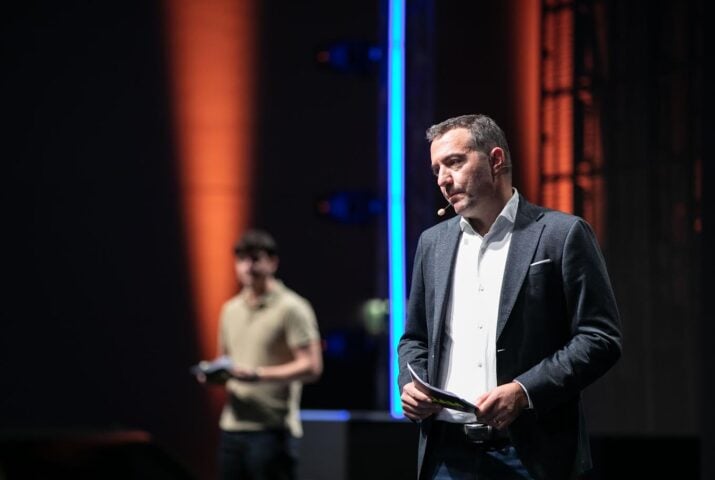
Social media success was also discussed by Pave Elez, one of the most recognized digital content creators in the region. In his talk, he shared five decisions that made a difference in his professional life and helped him become a creator that brands want to collaborate with – even though he doesn’t follow the dictates of TikTok and Instagram algorithms in his work.
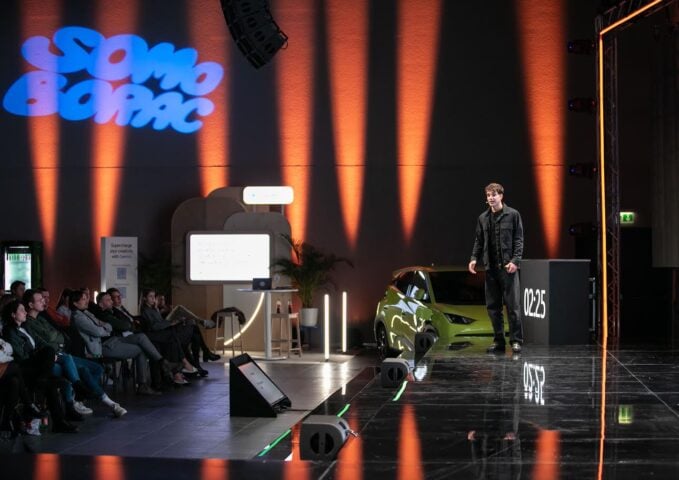
A new perspective on social media was presented by Eoin Carrigan, Lead Industry Manager at Pinterest. As he explained in his lecture, Pinterest is shaping a new form of search increasingly based on visual input and generative AI, enabling users to find what they’re looking for even before they know how to describe it.
“Visual search is becoming the bridge between image, idea, and purchase, creating an experience of discovery rather than mere word-based searching,” Carrigan said, adding that Pinterest’s key strength lies in maintaining a positive and healthy environment where users come for inspiration, not doomscrolling.

Insights on market success were also shared by speakers from Fonoa and Parra. Antonio Krističević, Head of Engineering at Fonoa – a tax automation platform used by companies such as Uber, Bolt, and Booking, highlighted the importance of changing culture, not just tools, when introducing artificial intelligence. As he explained, Fonoa’s own experience showed that successful AI integration requires building trust and a willingness to experiment, especially in traditionally cautious industries such as taxation.

Ivan Roje, CEO of the startup Parra, a platform that enables issuing and sending invoices in compliance with new Fiscalization 2.0 regulations, explained how to stand out in a suddenly booming market. Starting next year, more than 170,000 companies in Croatia will need to digitalize their invoicing process, a change that has driven many firms to develop solutions for this exact issue. Roje noted that Parra took a different approach than its competitors, instead of focusing on profit, they decided to develop a platform that would make this adaptation process as easy as possible for Croatian companies.

Follow all updates via the SoMo Borac newsletter, as well as on SoMo Borac’s Facebook, Instagram, and LinkedIn pages.

