

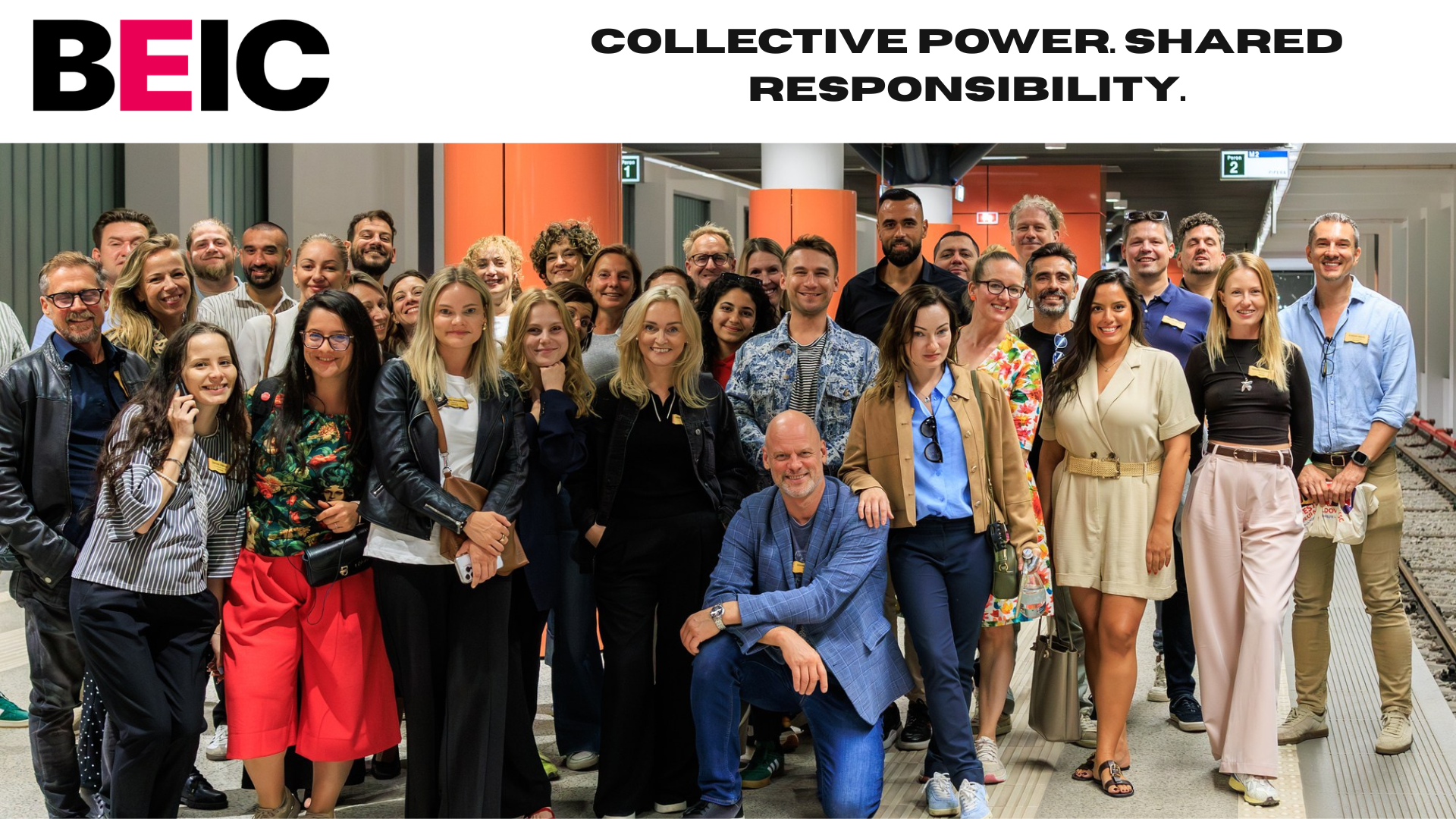
International event delivery still relies heavily on fragmented partnerships, inconsistent standards and, in many cases, a real lack of control. For clients, that ultimately means one thing: risk.
BEIC is proposing a different model. Today, the Business Event Industry Club brings together 38 independent event agencies across 45 countries, yet it does not position itself as just another global network. Its ambition goes beyond connection alone. BEIC is redefining how independent agencies collaborate internationally, build operational trust and deliver projects across markets.
It is the only global network of independent event agencies built from the outset as a working collaboration platform operating under shared standards. This is not merely an organisational distinction. It directly affects how projects are managed, how decisions are made and what clients can expect when work spans multiple markets at once.
Most networks connect agencies. They provide access, visibility and geographic reach. What they do not necessarily provide is alignment. BEIC has built its position around precisely that missing piece. The shift is simple, but fundamental: from connection to capability, from access to alignment, from network to standard.
In practice, this means collaboration is not left to improvisation. It is expected, structured and continuously reinforced through real work between agencies. The ambition is clear: if you work with a BEIC agency, you are safe internationally.
BEIC’s growth is intentionally selective. Membership is not about filling countries on a map, but about bringing together agencies that operate at a comparable level strategically, commercially and operationally. This is what BEIC defines as curated international capability. It is not simply a group of agencies, but a system in which partners understand how to work together and where differences between markets do not turn into operational risk.
Over the past year, that approach has already translated into tangible practice. BEIC agencies have collaborated on international projects and joint pitches, shared teams, aligned approaches and delivered across markets with a level of consistency that is often difficult to achieve in traditional network models.
Within BEIC, the idea of a standard is not about certification. It is about behaviour. It is reflected in transparent commercial structures and clear accountability, strategic alignment with client objectives, disciplined cross-border collaboration, a focus on measurable impact and long-term value, and continuous calibration through shared programmes and working formats.
Until recently, most of this work remained internal. Through initiatives such as GrowHub, Creative Summit and CEO meetings, BEIC focused on aligning ways of thinking, raising the level of execution and building a shared understanding of what international collaboration should look like. That focus is now moving outward. Ambassadors, more consistent communication and new industry-facing formats, from research to curated conversations, are all part of a broader effort to make that internal alignment visible to the market.
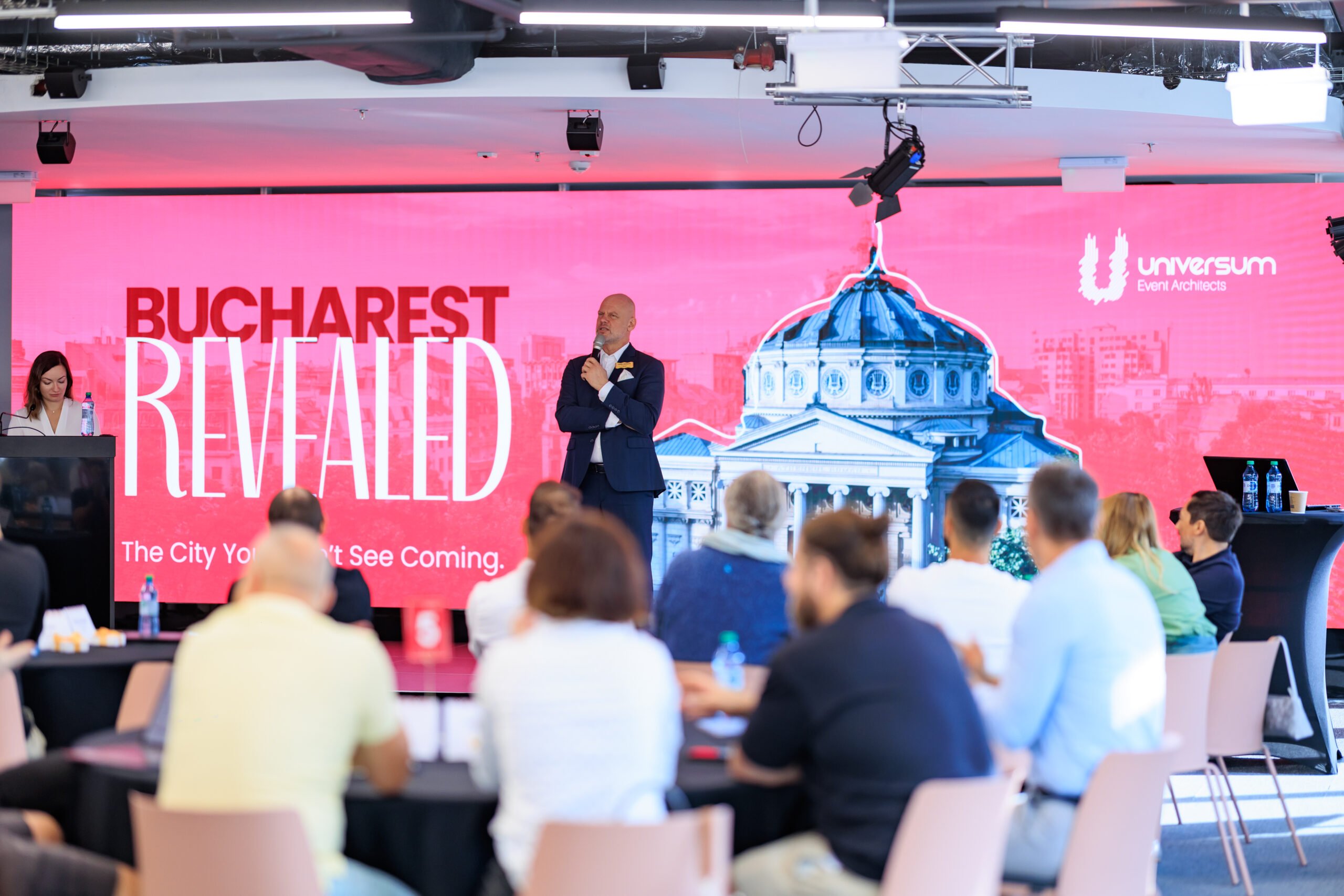
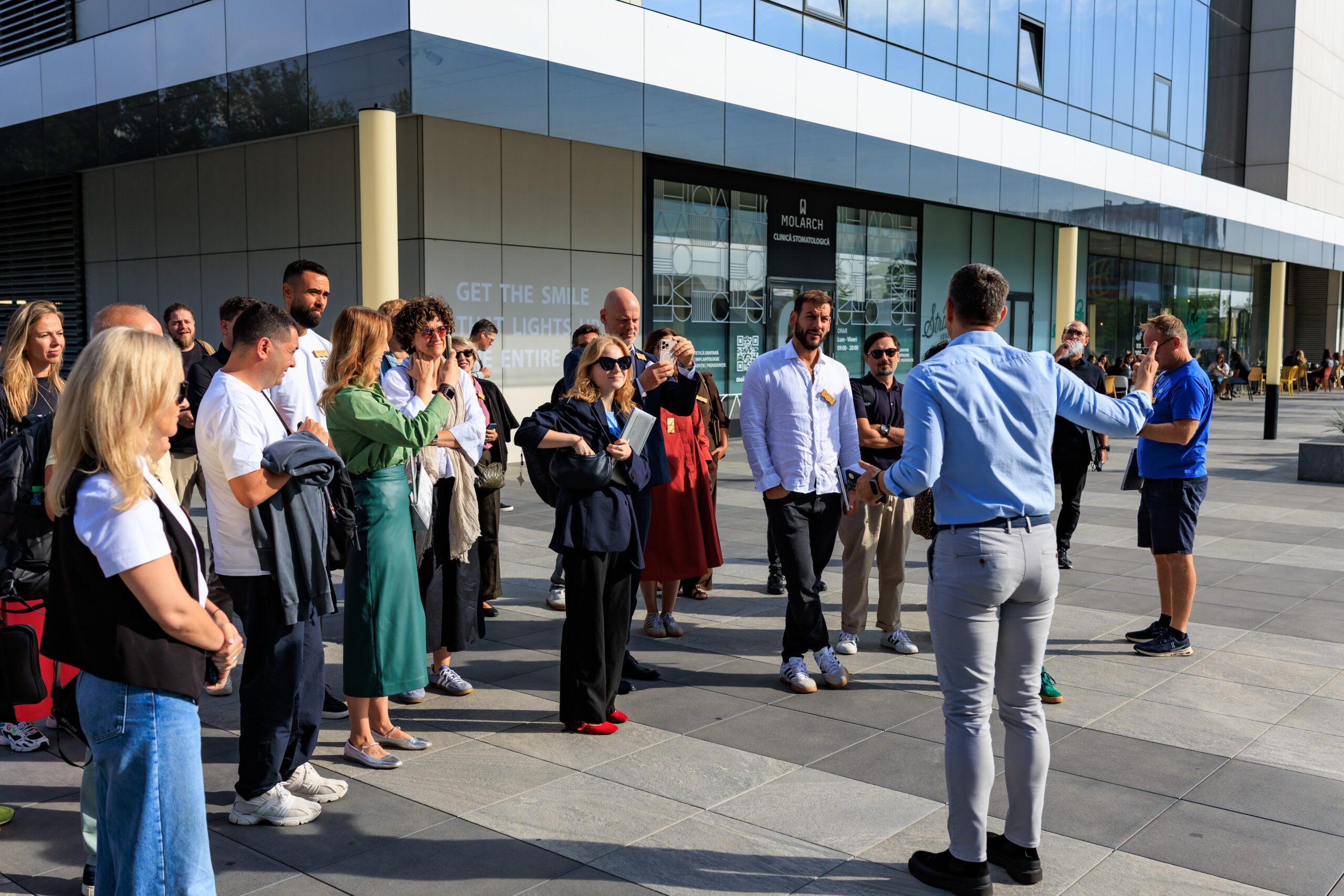
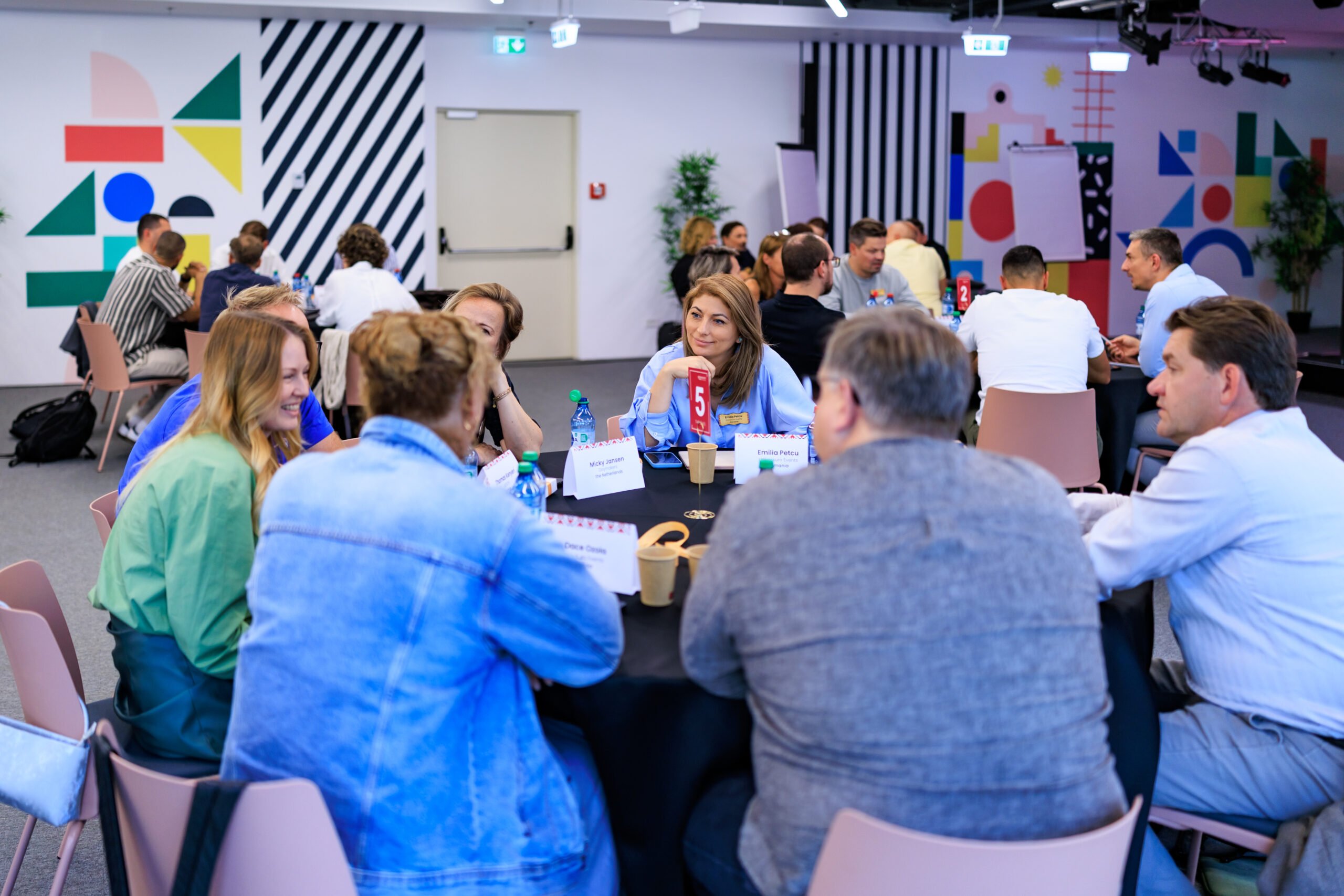
This speaks about building a functional system that works.
As projects become more complex and more international, the margin for inconsistency becomes smaller. Clients no longer need partners they can rely on only locally, but across markets as well, without losing control, quality or accountability. That is the direction in which BEIC is building its position: as a reference point for how international event delivery should work.
About BEIC
The Business Event Industry Club (BEIC) is a global group of independent event agencies operating in more than 45 countries. It enables international collaboration through shared standards, knowledge exchange and joint project delivery. More information is available on the website.

